

Baby-Friendly Hospital Initiative supports new parents through breastfeeding


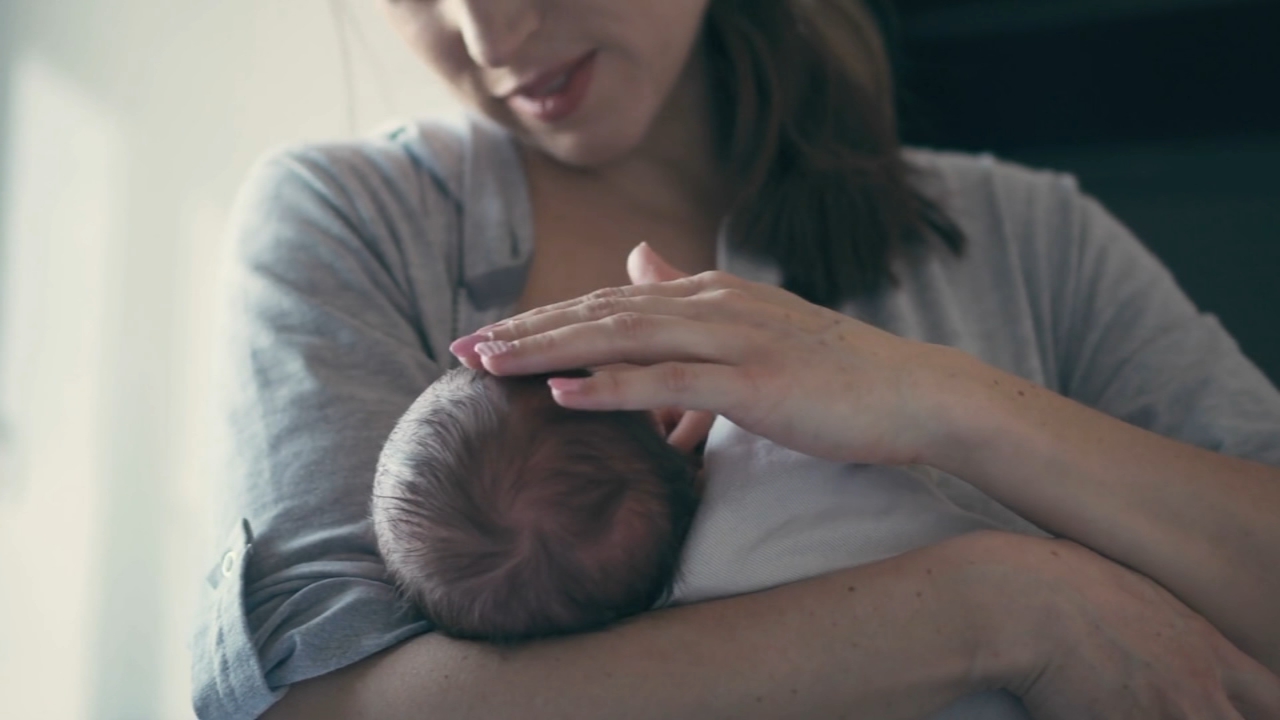
PHILADELPHIA (WPVI) -- The first few days of parenthood are challenging, no matter how well-prepared parents might be.
Many area hospitals participate in a program to help newborns off to a good start. It's called the Baby-Friendly Hospital Initiative. It operates in the Philadelphia area and worldwide.
From new routines to a baby's unique communication, new parents are on a steep learning curve. It can be overwhelming.
Thirty years ago, the World Health Organization launched the Baby-Friendly Hospital Initiative to help with a major hurdle - breastfeeding.
Decades of formula feeding has created a knowledge gap.
"They may not have a mother or a grandmother or sibling that has breastfed," says Dr. Gail Herrine, a Temple Health obstetrician-gynecologist.
Dr. Herrine says education on breastfeeding actually starts well before birth.
"Most women decide how they're gonna feed their baby by the first or second trimester," she observes.
In Baby-Friendly Hospitals, discussions with expectant parents include breastfeeding's benefits.
"It decreases the baby's risk of asthma, eczema, gastrointestinal infections, childhood leukemia, long-term - diabetes and obesity," Dr. Herrine says. "For the moms, it decreases her risk of breast cancer, ovarian cancer, cardiovascular disease, osteoporosis."
They also talk about the risks of formula feeding, "Because the risks of formula-feeding are significant, significant to the baby and significant to mother."



Nurses, doctors, and other staffers discourage use of artificial nipples for breastfeeding moms. If a baby needs supplemented with formula, it's done with a cup, a syringe or spoon, instead of a nipple and bottle
"We don't recommend pacifiers early on in the immediate postpartum period because we don't want nipple confusion. If the baby wants to suck, we want the baby to suck on the mom's breast, not do something called non-nutritive sucking," says Dr. Herrine.
Parents also get access to resources for support after they leave the hospital, such as the Pacify app.
"You can get a lactation consultant up on your phone within 30 seconds," she notes.
To get Baby-Friendly certification, hospitals have changed other practices to do what's best for babies, not what's convenient for staff.
"We do something called rooming-in, keeping moms and babies together in the room," Dr. Herrine says, adding, "We do all the exams in the room. We do all the blood draws in the room. We do the hearing screens. We do photos in the room. We can do the bath in the room."
She says a lot of training and time goes into achieving Baby-Friendly designation. Temple has had it since 2018, and that includes the new Women and Families Hospital.
She says breastfeeding rates are higher, but the best reviews come from the new moms.
"They love it, they love it," she says.
Dr. Herrine says today, 1 out of 4 babies in the U.S. is born in a Baby-Friendly Hospital.