

Healing mind along with body after breast cancer diagnosis


DALLAS, Pa. (WPVI) -- Up to 40% of breast cancer patients report significant anxiety or depression, but less than half of those actually seek or receive treatment.
A Pennsylvania teacher says taking care of both physical and mental health together makes all the difference.
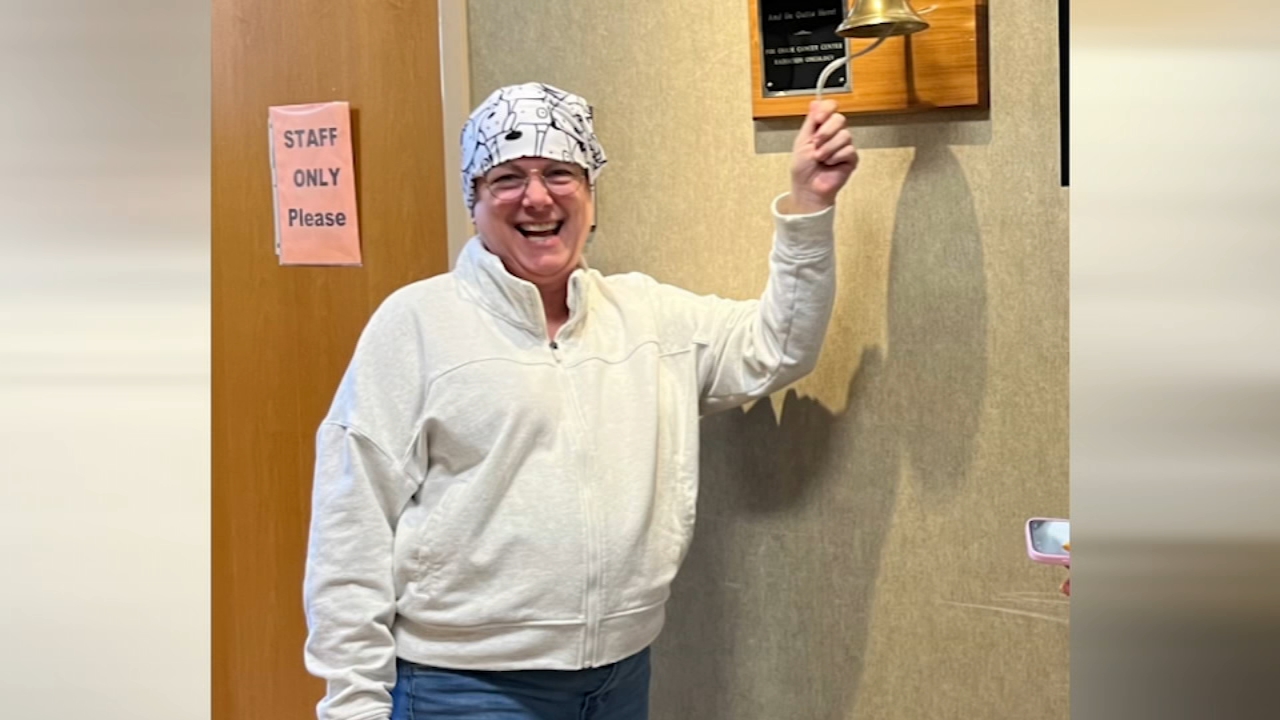
A year ago, Hilary Peterson was doing yardwork when she noticed a lump. Before long, she was at Fox Chase Cancer Center for the diagnosis.
"It was stage 2 aggressive form of breast cancer," Hilary explains.
And she needed immediate, aggressive treatment, including six rounds of chemo, followed by surgery, radiation, and targeted immunotherapy.
It was all hard to grasp.
"You're scared, and you're sad, and you're angry, and you're overwhelmed. All at one time," Hilary recalls.
Luckily, her care team offered a meeting with an oncology psychologist.
"That to me is a game-changer," she says.
Psychologist Lauren Rosenberg, Ph.D., says emotional reactions to a cancer diagnosis are normal, unless the mind leaps ahead of reality.
"We may have one thought and it spirals down into that worst possible outcome of a thought. And that can really increase the stress, increase anxiety," Rosenberg says.
Top Stories



Hilary's therapist also helped her deal with physical effects of treatment, with acupuncture, light therapy, and sessions on improving sleep.
She also found her own reasons to smile - what she calls "glimmers."
One was visiting pigs - her favorite animal - at Arthur's Acres Animal Sanctuary.
Rosenberg says therapy should adapt to each patient's unique feelings.
"Some people may experience no distress at all. Some people experience really high levels of distress," she notes.
And it can occur any time from the diagnosis, throughout treatment, or even afterward.
In fact, anxiety is common as treatment winds down, as patients think about what they've been through.
"People are expecting to feel better that they've gotten through, but notice that distress levels may still be really high," Rosenberg says.
"You can't just ignore it. You have to address it," Hilary says.