

Understanding pneumonia: 'It isn't just a bad cold' | Moves in Medicine


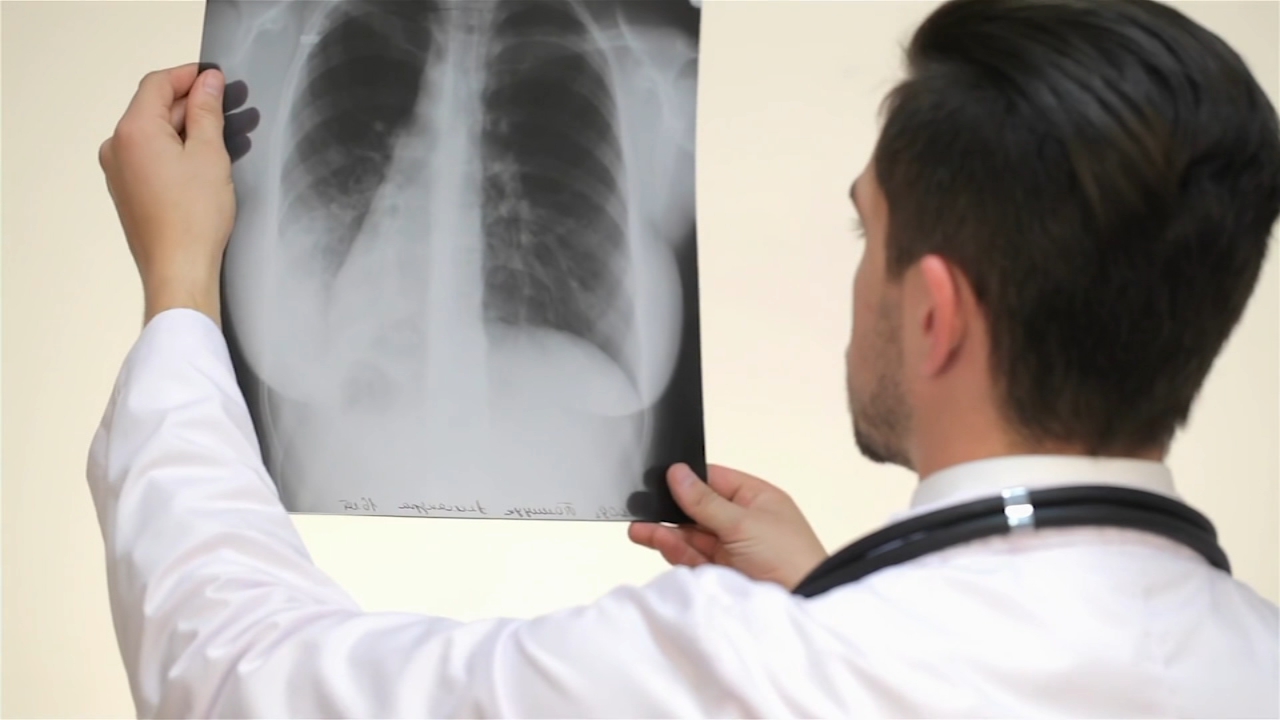
NORTH PHILADELPHIA (WPVI) -- We've all heard of pneumonia, but probably don't know much about it, that it's one of the most dangerous respiratory infections.
And this is peak season.
"Pneumonia isn't just like a bad cold, or sometimes people get it confused with a sinus infection or even bronchitis," explains Temple Health pulmonologist Michaela Seigo.
Dr. Seigo says those ailments are in the upper respiratory tract.
Pneumonia infects the tiny air sacs at the bottom of the lungs.
"They fill up with fluid or pus and it makes it really difficult to breathe," she notes.
She says most pneumonias are caused by bacteria, or viruses, "Something like COVID, influenza, or the flu, or RSV."
A fungus can be the culprit, however, those cases are rare.
Symptoms of the bacterial and viral types are largely the same:
A cough with chest congestion, fever or chills, trouble breathing, or breathing rapidly...fatigue, a low appetite, and sometimes chest pain.
"Especially when you take a deep breath or if you cough. That's indicative of inflammation of the lung lining," Dr. Seigo says.
Doctors take nasal swabs and x-rays to determine if it's bacterial - which calls for antibiotics - or viral - which takes supportive care - rest, fluids, and fever-reducing medicines like acetaminophen or ibuprofen.
Dr. Seigo says prevention is the best strategy.
That starts with vaccinations for things that can turn into pneumonia - flu, COVID, and RSV...
And pneumonia vaccines for adults 50 and over, as well as young children and those from 19 to 49 with underlying medical conditions.
Dr. Seigo says pneumonia can progress fast, so beware respiratory problems that are getting worse.
"Get medical care as soon as possible because time can be essential," she says.
She jumped into action over Christmas, when her own mom developed pain in her ribs. Although her mother played down the rib pain, it turned out to be pleurisy, an infection of the membrane surrounding the lungs. It is often a sign of pneumonia.
"She ended up having a big pneumonia that needed hospitalization," Dr. Seigo says.
With the fast treatment, her mom bounced back quickly.