

Understanding the rise in colorectal cancer in under-50s


PHILADELPHIA (WPVI) -- A new report points to a rising danger for Americans under 50: colorectal cancer.
It is now the leading cause of cancer death for them and that's prompting concern among doctors.
"Even as a specialist in this area, the report is striking," says Dr. Jason Castellanos, a gastrointestinal cancer surgeon at Fox Chase Cancer Center.
He says he didn't expect to see as many patients his age when he became a surgeon.
The American Cancer Society says colorectal cancer is rising 3% a year among adults under 50 - up 4% among Hispanics, 3% in Asians and Pacific Islanders, and 2% in Blacks.
And when they are diagnosed, "75% have advanced disease, meaning it's spread elsewhere and the liver is the number one site," says Dr. Castellanos.
He and Dr. Christopher Cann, a medical oncologist at Fox Chase, say the symptoms may seem more benign.
"Constipation, diarrhea, some mild abdominal pain, fatigue, or even bloody stools can be attributed to hemorrhoidal bleeding," Dr Cann explains.
Actor James Van Der Beek, who died of colorectal cancer at 48, blamed coffee for a change in bowel habits.
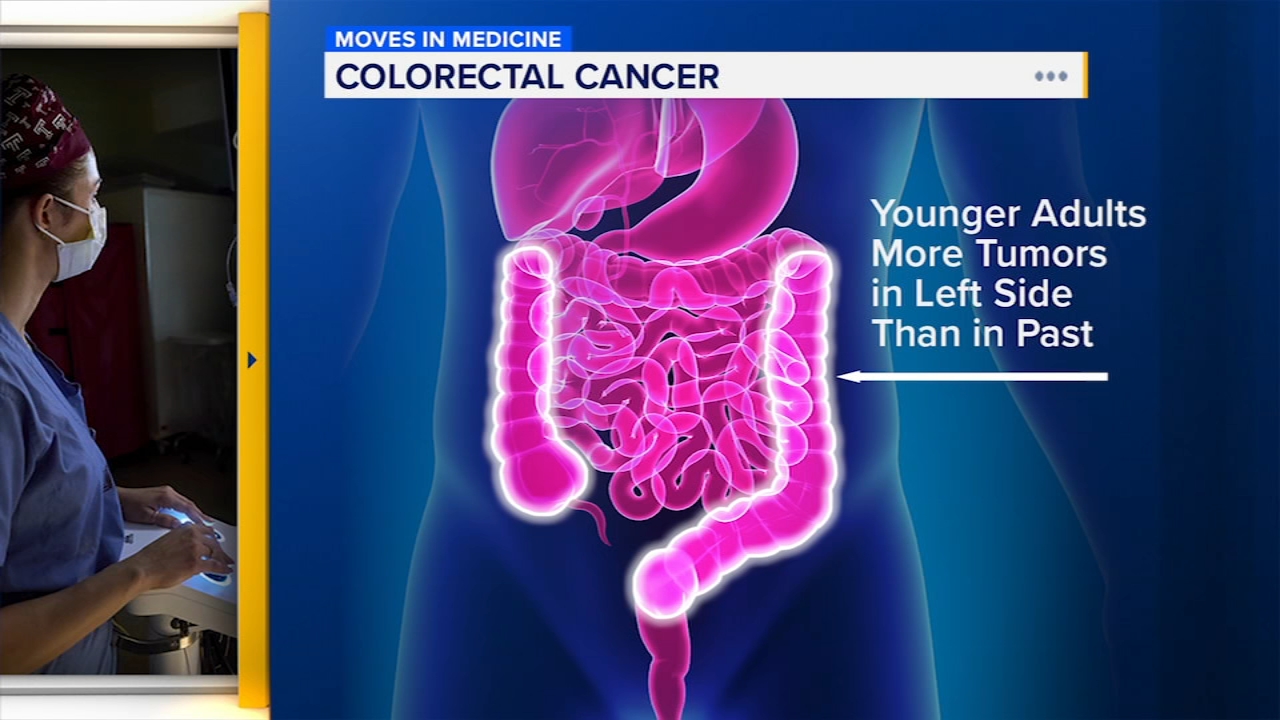
The doctors say younger adults more often have tumors in the left colon than in the past. And under the microscope, they are more aggressive and chemo-resistant.
That calls for better teamwork across specialties.
A hepatic arterial infusion pump used by Dr. Castellanos is an example.


"It's a little titanium hockey puck-sized pump," he says, holding the small metal pump.
The pump delivers high doses of a chemotherapy drug Dr. Cann uses directly to the liver, killing tumors with fewer side effects than when it goes throughout the whole body from a chemo drip.
The doctors say young adults can take 4 key steps to cut their cancer risk:
* Adopt a healthy lifestyle with more exercise and less red and processed meats and less alcohol
* Get your family history: one in five cancers have a genetic link
* Get screened starting at age 45
"I definitely got my colonoscopy right on time, and so did my wife," says Dr. Castellanos.
And be aware of your body. Don't wait if something changes.
To illustrate that need, Dr. Cann often sites one study.
"41% of those patients waited over six months to see a physician, and nearly two-thirds of these patients saw two or more physicians before they were diagnosed," he says.
They say fellow doctors also need to be aware of this trend, and not dismiss the possibility of a cancer. They want everyone to take symptoms seriously.