

Weight a big factor in fertility for both genders


PHILADELPHIA (WPVI) -- None of the human body's many systems acts alone, and we're still uncovering the interconnections.
Research now shows that weight and body composition play a big role for both women and men in becoming parents.
Keirra Davis of North Philadelphia first noticed it in her late teens.
"Even with me being active, I was still having weight issues like gaining weight. My appetite was changing. I was craving more sugary things, but we didn't eat them growing up," she recalls.
Keirra's monthly cycle had become very erratic, and she felt out of control.
"I felt exhausted. I didn't have any energy," she says.
Two years ago, she began a journey to find solutions.
Temple Health gynecologist Cassandra Mitchell says the cause was PCOS - Polycystic Ovary Syndrome - a hormone imbalance that threatened Keirra's future fertility.
"I just wanted to be healthy enough to be able to be a mother one day," she says.
Dr. Mitchell says many factors affect fertility, but weight and body fat don't get enough attention.
"This affects both men and women, as well," she says.
For women, being underweight - or overweight or obese - can cause irregular ovulation.
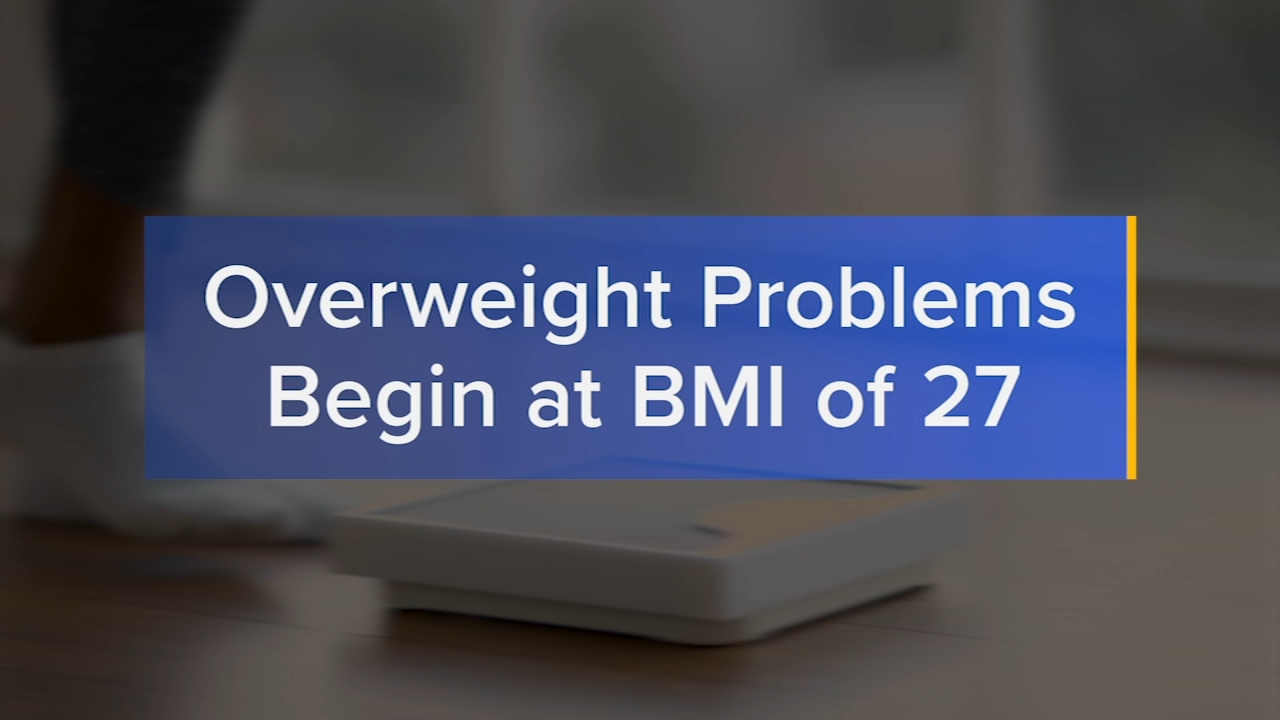
For the overweight, problems can begin with a Body Mass Index above 27.
For men, too much body fat raises estrogen and lowers testosterone, affecting fertility and sexual function.
"About 30 to 40% of the time the male is the reason why that couple is struggling with fertility," Dr. Mitchell explains. "About like 25 to 30% of the time it is the female partner."
The rest are unexplained or involve both partners.
Dr Mitchell says a healthier diet, moderate to high intensity exercise, and strength training can be effective.
"Even reducing your weight by 5% to 10% of your body weight can really significantly improve ovulation," she says.
By cutting out her dietary triggers, like gluten and dairy, and getting the right exercise, Keirra is down 50 pounds, and feeling better.
"My hormones are finally leveling out. There's still things I have to work on, but compared to me two years ago, it's completely different," she notes.
Keirra says that by learning all about PCOS, she no longers blames herself for bad days, and channels that energy into good things.