

When fatigue doesn't go away, it might be anemia


PHILADELPHIA (WPVI) -- We depend on blood for good health and most of the time, the blood quietly does its job. But when a problem like anemia arises, it can affect the whole quality of life.
It's a common condition, especially among women of childbearing age and seniors.
But Dr. Bernadette Baker, a Temple Health family physician, says anemia can be overlooked.
"Some of the symptoms can be a little subtle. Fatigue, maybe feeling a little dizzy, and a lot of patients will sort of write that off as being - Oh, I had a rough day at work this week, or I didn't really get a good night's sleep," Dr. Baker says.
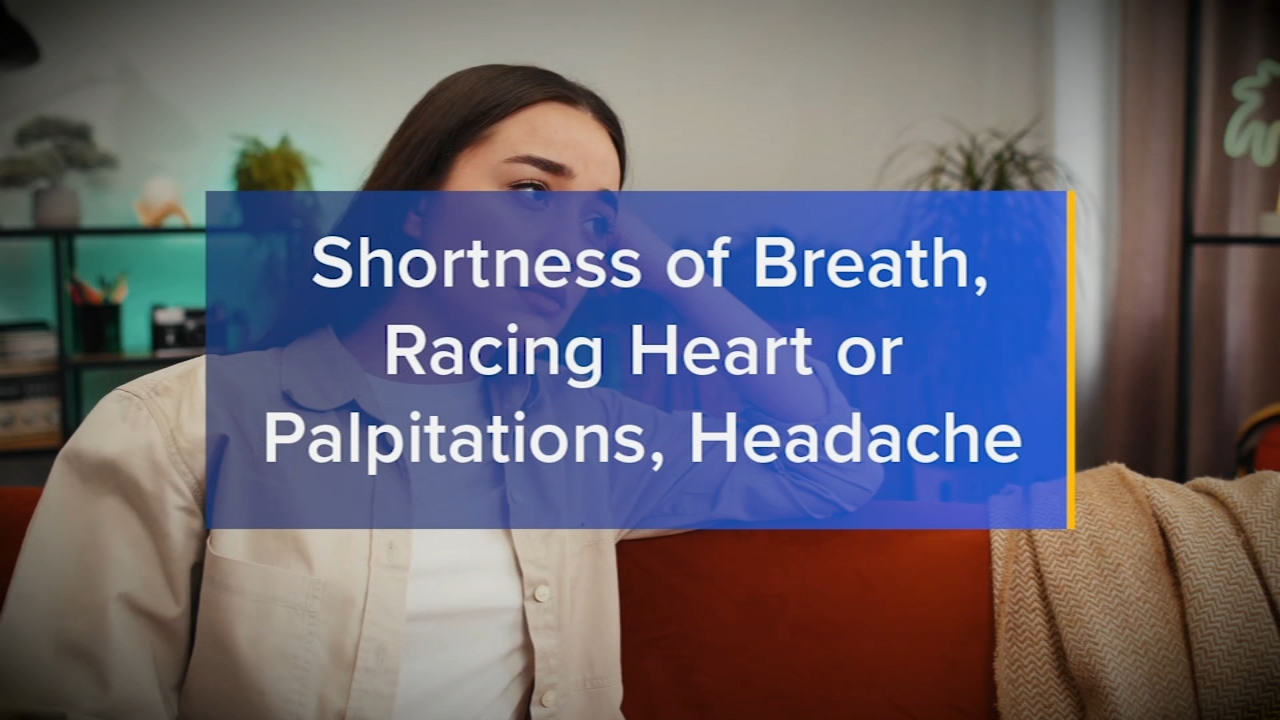
But when those symptoms - or others like shortness of breath, a racing heart or palpitations, or a headache - happen often, they need attention.
Dr. Baker says the problem seems simple.
"The number of red blood cells that you have is too low to carry out oxygen to your healthy tissues," she explains.
Or the blood cells don't work as they should. But there are numerous causes.
"Older adults are at higher risk of having these chronic diseases, such as kidney, liver diseases, or nutritional deficiencies, like B12," she says.
Blood loss from intestinal cancer, ulcers, or stomach inflammation can be causes. So can overuse of painkillers like aspirin, ibuprofen, or naproxen.
Diagnosis starts with a basic blood test looking for Hemoglobin - the oxygen carrier in red blood cells.
"Anything less than 11 is concerning for anemia. and then related to that is your MCV. So how big or how small are your red blood cells?" Dr. Baker says.
More advanced tests can pinpoint the cause.
Dr. Baker says nutritional deficiencies can often be resolved through supplements, or diet.
"A lot of leafy vegetables that are high in iron, B12, and folic acid. Things like spinach, broccoli," she says.
But be patient.
"It can actually take up to three months to start to see any lab results or any improvements in how you're feeling," she says.
Dr. Baker adds that anemia puts a significant strain on the heart and brain, so don't delay getting help.