

Younger women not sharing in decline in cervical cancer


COLLINGDALE, Pa. (WPVI) -- While widespread screenings have cut cervical cancers in half since the 1980s, they are still the second leading cancer killer for younger women.
That's because too many women aren't staying up-to-date.
"It's probably just cramps, I'll be fine," Yadira Mena Alvarez of Collingdale, Delaware County, remembers thinking.
Yadira thought over-the-counter painkillers would stop her abdominal pain. But they didn't.
"I was having trouble sleeping. I was waking up in pain, and it was like a throbbing ongoing pain," she says. "It was creating pressure to the point that I could feel it going kind of into my thigh."
After a variety of doctor visits and tests, Yadira was referred to Dr. Korey Onulack, a Temple Health gynecologist and surgeon.
He found severe pelvic inflammation and a mass on one ovary.
The true size of the mass didn't come to light until her surgery to remove it.
"From what he told me, it was about the size of a softball," she says, adding, "The mass was not only attached to the ovary, it had attached to the fallopian tube, and it was also creeping into my uterus."
The mass wasn't cancerous, so Yadira is breathing easier. But she regrets not getting regular screenings.
"Who knows, it might've been caught earlier, and it probably wouldn't have gotten as bad," she notes.


Dr. Onulack knows issues like transportation, child care, job restrictions, or being a caregiver for others can make medical appointments hard for his patients to keep.
"And I'm like, you know, you gotta take care of number one as well, and that's yourself so that you can be around for a long time," Dr. Onulack says.
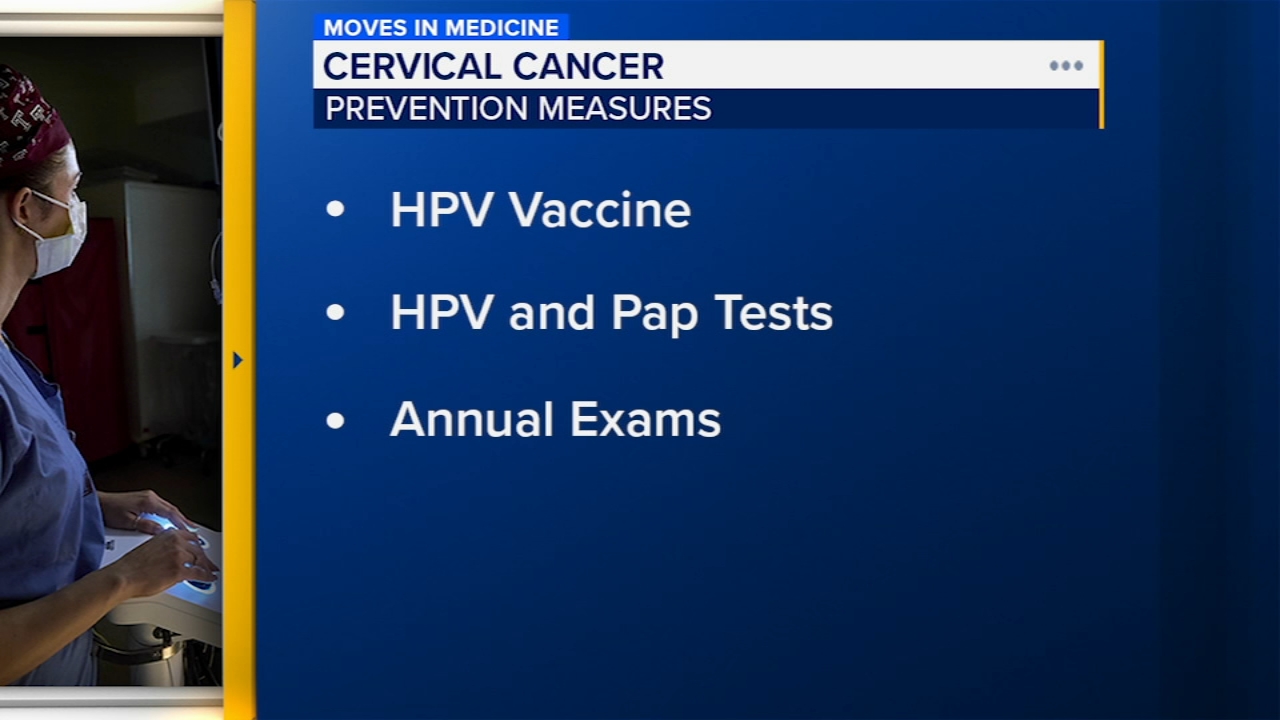
He says most cervical cancers can be prevented with the HPV vaccine, HPV and Pap tests, and annual exams.
"There's nothing that has yet to replace a physical exam when it comes to taking a look at the cervix directly," he says.
Women who are hesitant about these exams shouldn't be afraid to say so.
"They should be willing and able to say reasons why they might be hesitant about these exams," Dr. Onulack says.
"If you have to change doctors until you find someone that you feel comfortable with, then do so," Yadira says.
And Yadira says she has that comfort with Dr. Onulack. She adds that if something is wrong with your body, keep pushing until somebody listens to you.