Philadelphia region digging out from winter storm | Live Updates

WPVI logo
Last updated: Tuesday, January 27, 2026 4:28AM GMT
6abc Philadelphia 24/7 Live Stream

PHILADELPHIA (WPVI) -- The massive cleanup effort will continue on Tuesday after a winter storm slammed the Philadelphia region.

Officials have stressed that road conditions may still be dangerous, especially with temperatures plummeting this week.

The next chance of widespread precipitation doesn't come until the weekend, and we will be watching to see whether a nor'easter forms and tracks along the coast or mainly stays out to sea.

Visit 6abc.com/weather to watch the latest AccuWeather forecast.

You can share your weather photos with us by visiting this link.

Here are the latest headlines as the cleanup begins.

Cecily Tynan Image
Jan 24, 2026, 4:09 AM GMT

New snow map: More areas transition to sleet

The AccuWeather team has adjusted the snow map slightly to reflect the latest trend, which shows a stronger push of warm air aloft.

That means more mixing farther north. So, that snowy winter wonderland Sunday morning turns into a sleet/icefest for most of our area by lunchtime.

Nydia Han Image
Jan 24, 2026, 3:33 AM GMT

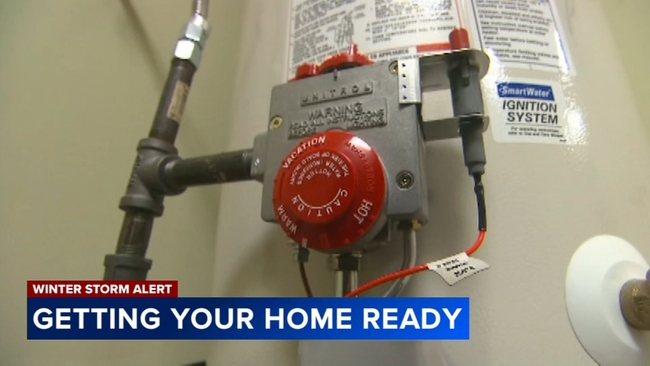
Do these things now to protect your home during winter storm

With a massive winter storm expected to hit the region, homeowners have a narrow window to prepare their homes and avoid costly damage later.

Beyond stocking up on groceries, experts stress that taking steps now to protect plumbing and equipment can prevent flooding, frozen pipes and other winter disasters.

Snow and ice create risks for roofs, gutters, water pipes, and drains. Consumer Reports' home improvement expert, Paul Hope, knows that firsthand.

"I had a ton of water falling in through my kitchen, and it's very, very, very hard to fix, but very easy to prevent," Hope said.

Do these things now to protect your home during winter storm

Hope said he failed to clear debris and leaves from his gutters. When snow accumulated on his roof and later melted, the water had nowhere to go.

"And as a result, that water jammed back up, formed ice dams on my roof, and eventually backed up under the shingles, soaking my kitchen," Hope said. "Even experts make mistakes."

To prevent similar damage, homeowners should clear out gutters and drains before snowfall begins.

Patrick Convery of Zoom Drain advises also addressing other drains.

"First thing is locate your outside sewer. Clean out your vent because that's the easiest way to access your sewer line if there is an issue and you don't want it to get buried under a foot of snow, if you do have a problem," Convery said.

Homeowners with sump pumps should test them before the storm arrives.

"You want to get a five-gallon bucket of water, dump it into the pit. Make sure the sump is properly functioning because that could lead to a flooded basement if it's not ready for the melting snow," Convery said.

Another critical step is protecting pipes from freezing temperatures.

Hope warned, "This is definitely the time you want to disconnect any outdoor garden hoses, drain any hose bibs, shut off the water to any of those outdoor water sources that you might have."

Pipes in cold areas should be insulated to prevent freezing. Hope said the fix is inexpensive and straightforward.

"That sounds complicated; it's really simple," he said. "You can go to a home center or hardware store, buy foam pipe insulation. It's really just a few cents per foot."

If insulating pipes isn't possible right away, homeowners are advised to leave at least one cold water faucet running at a slight drip to reduce the risk of frozen pipes.

Finally, homeowners should check equipment before the storm hits. Snow blowers and generators should be tested and ready to operate in advance, not after snow begins falling. Generator safety tips are available from the American Red Cross.

Experts also recommend stocking up on water and ensuring flashlights, extra batteries and backup power sources for phones, laptops and radios are ready in case outages occur.

Taking these steps now can help homeowners weather the storm and minimize damage once it arrives.

6abc Digital Staff Image
Jan 24, 2026, 2:51 AM GMT

State of Emergency issued in Delaware

Delaware Governor Matthew Meyer issued a State of Emergency on Friday evening due to the impending winter storm.

The declaration will take effect at 12:01 a.m. on Sunday and will allow for the mobilization of statewide resources needed to prepare for and respond to this storm, including the activation of the Delaware National Guard.

"Delawareans should always feel secure in their communities, especially during severe winter weather," said Gov. Meyer. "That's why I'm declaring a State of Emergency in Delaware, starting Sunday morning. Please prepare while you can, avoid being on the roads once the storm begins, and listen to your state and local officials for the latest information and safety warnings. Together, let's make sure every Delawarean stays safe and warm this weekend."

Mayer says Delawareans should also anticipate the issuance of state-mandated Driving Restrictions.

The snow begins pre-dawn on Sunday, with the heaviest falling from sunrise until midday. This then transitions to sleet for the afternoon hours, as the sleet line marches northward from the Jersey shore to the Pa. Turnpike. Get the latest forecast at 6abc.com/weather.

Get live updates on the winter storm here.

6abc Digital Staff Image
Jan 24, 2026, 2:35 AM GMT

PATCO will be operating on a modified schedule

PATCO will be operating on a modified schedule on Sunday, January 25, and Monday, January 26, due to the winter storm.

Sunday, January 25, 2026

Trains will operate at regular Sunday frequency, with service every 30 minutes. Travel times will be adjusted for slower operating speeds due to weather and may take up to 10 minutes longer than usual.

Monday, January 26, 2026

Trains will operate every 15-20 minutes for most of the day.

Service frequencies:

  • First westbound and eastbound departure at 4:35 a.m.

  • 5 a.m. to 9:30 a.m.: Every 15 minutes

  • 9:30 a.m. to 1:30 p.m.: Every 20 minutes

  • 1:30 p.m. to 7:30 p.m.: Every 15 minutes

  • 7:30 p.m. to 9:30 p.m.: Every 20 minutes

  • 9:30 p.m. to 11:30 p.m.: Every 30 minutes

  • Last westbound and eastbound departure at 11:30 p.m.

Travel times will be adjusted for slower operating speeds due to weather and may take up to 10 minutes longer than usual.