Shapiro, Kennedy have war of words following 2 measles-related deaths in Pennsylvania

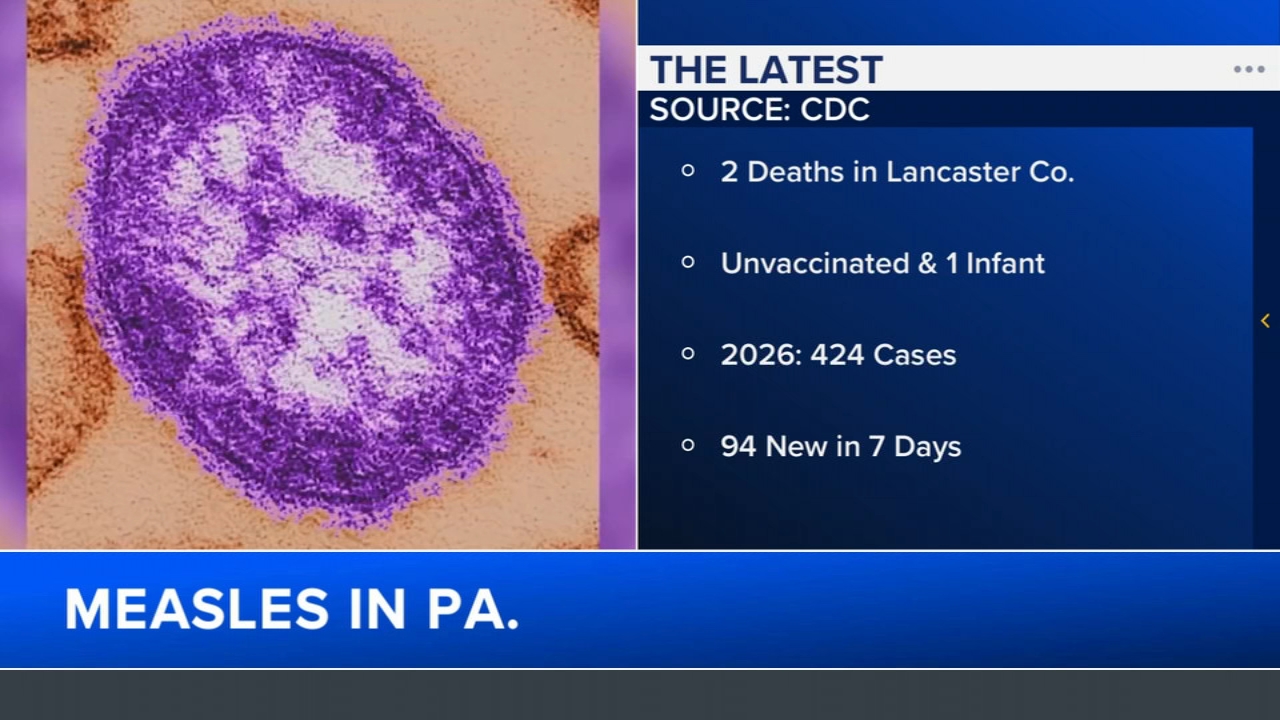
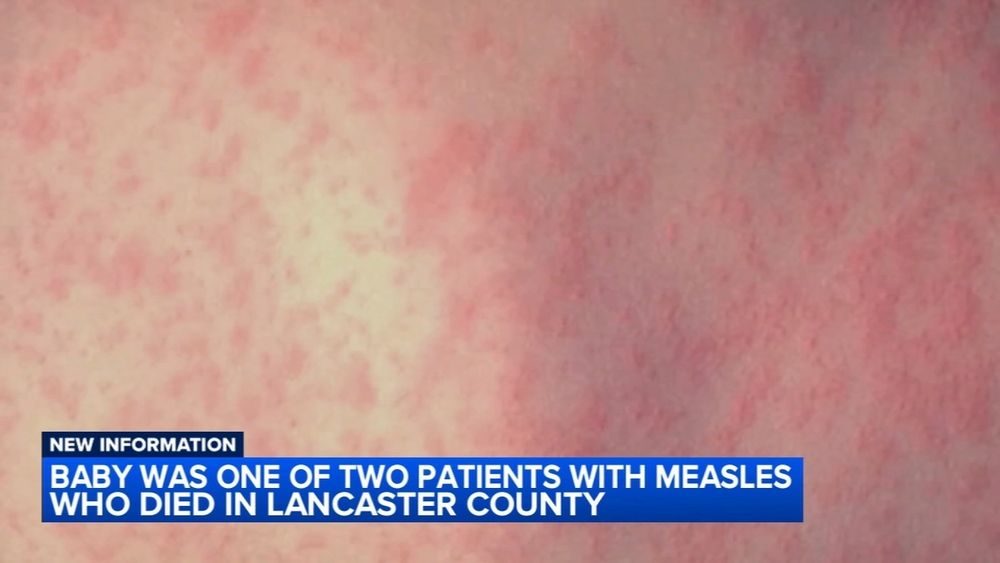
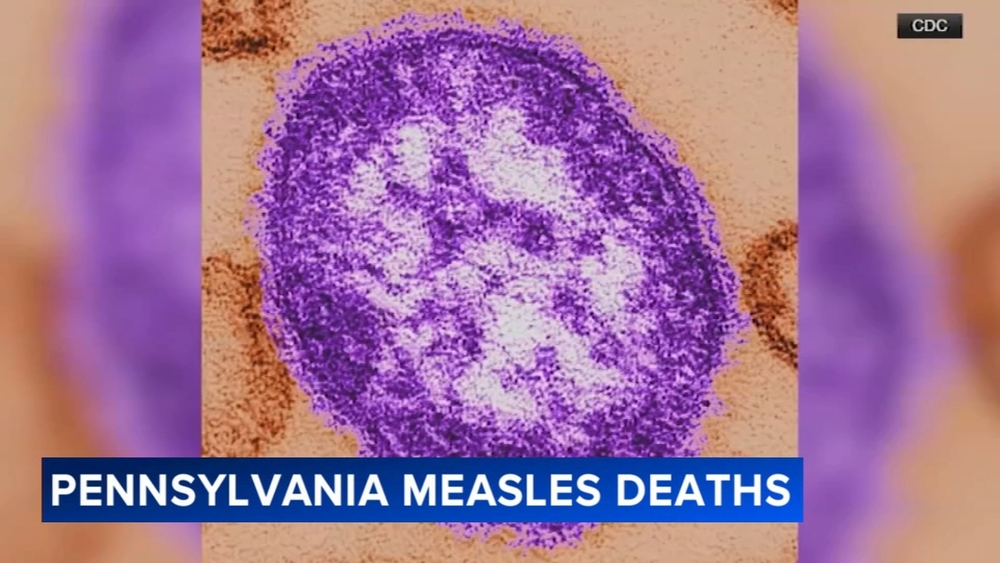
The Pennsylvania Department of Health this week recorded its first two measles-associated deaths in 35 years, both in people who were unvaccinated. The agency declined to provide further details, saying it was protecting patient privacy.
What came next was a war of words.
Gov. Josh Shapiro, a Democrat, said at a news conference Tuesday that he had spoken to US Health and Human Services Secretary Robert F. Kennedy Jr. and "made very clear that his actions and the rhetoric coming from this administration are having a negative impact on communities across America, particularly right here in Pennsylvania."
Before becoming HHS secretary under President Trump, Kennedy was a leading voice casting doubt on the safety of vaccination. In 2021, Kennedy - then head of the anti-vaccine organization Children's Health Defense - visited Lancaster County, Pennsylvania, where he made light of his own childhood case of measles and suggested that vaccines were causing autism and autoimmune diseases.
On social media Wednesday, Kennedy accused Shapiro of fearmongering and the "weaponization of infectious disease" for political gain. He suggested that the deaths there may have been "altogether fabricated" by one of Shapiro's "hopeful staffers" to support a narrative that measles infection is more dangerous than it actually is. He also said the coroner in Lancaster County, where the two people lived, had no record of any measles-related deaths.
Pennsylvania's secretary of health, Dr. Debra Bogen, later weighed in, saying she had thoroughly reviewed the case investigation and "sadly can confirm that there were two recent measles-associated deaths in Lancaster County, which were reported to the CDC's measles response team early Tuesday morning."
On Thursday afternoon, however, the US Centers for Disease Control and Prevention said in a statement posted to social media that it was working to determine what had actually happened. "These discrepancies raise important questions, particularly because the Governor's Office has not provided CDC with information relevant to the outbreak and has declined our offers of assistance," it said.
The Pennsylvania Department of Health fired back. "It is inaccurate to suggest that Pennsylvania has not provided the CDC with information relevant to the outbreak or declined to work with the CDC," it said in a post on social media. The department said it was in touch with the CDC's program staff and regularly shared data with the CDC.
Here's what we know about the cases and the conflict.
What does 'measles-associated' mean?
Deaths are classified as "measles-associated" when lab testing or epidemiological evidence of measles is present but the disease may not be assessed by the medical certifier or coroner to be the immediate cause of death, according to the Pennsylvania Department of Health.
Bogen said she had thoroughly investigated and verified that both people who died had tested positive for measles. The information was not reported until the results of epidemiological investigations were confirmed, she said.
Epidemiologic investigations look at when and where a person got sick and how they may have been exposed to a pathogen.
Did measles contribute to the deaths?
That's unclear.
Lancaster County Coroner Dr. Stephen Diamantoni told reporters Wednesday that his office was reviewing the death of an infant who tested positive for measles. He said the child died shortly after birth from a laceration of the spleen, and measles antibodies were present in postmortem testing.
Despite the positive measles test, the forensic pathologist who conducted the autopsy "did not feel it was related to the measles," Diamantoni told the Philadelphia Inquirer.
Diamantoni said he has no other cases involving people who tested positive for measles.

Kennedy and others have seized on that statement to suggest that if Diamantoni isn't investigating, the other case may not exist at all.
The state Department of Health countered that "not all deaths are referred to a coroner under Pennsylvania law."
Dr. Adam Ratner, a pediatric infectious disease physician in New York City and author of the 2025 book "Booster Shots: The Urgent Lessons of Measles and the Uncertain Future of Children's Health," said it's premature to assume measles didn't play a role in these deaths.
"The problem is that the facts of the cases are not widely known, which is reasonable, because I think that the Pennsylvania public health authorities want to be careful about potentially identifying people," he told CNN.
"Calling something a measles-associated death does not mean that the death was not caused by measles. It means that it is entirely possible that that death was caused by measles, and I would say likely," he added. "And the fact of the matter is that we don't see measles-associated deaths when there is not measles circulating in the United States, and there is measles circulating at levels that it has not in decades, as a result of declining confidence of vaccines, largely from the messaging from HHS and elsewhere in the government."
How do these cases fit into what's known about measles?
Although details on these particular deaths are still sparse, a growing measles outbreak in Pennsylvania fits a predictable pattern.
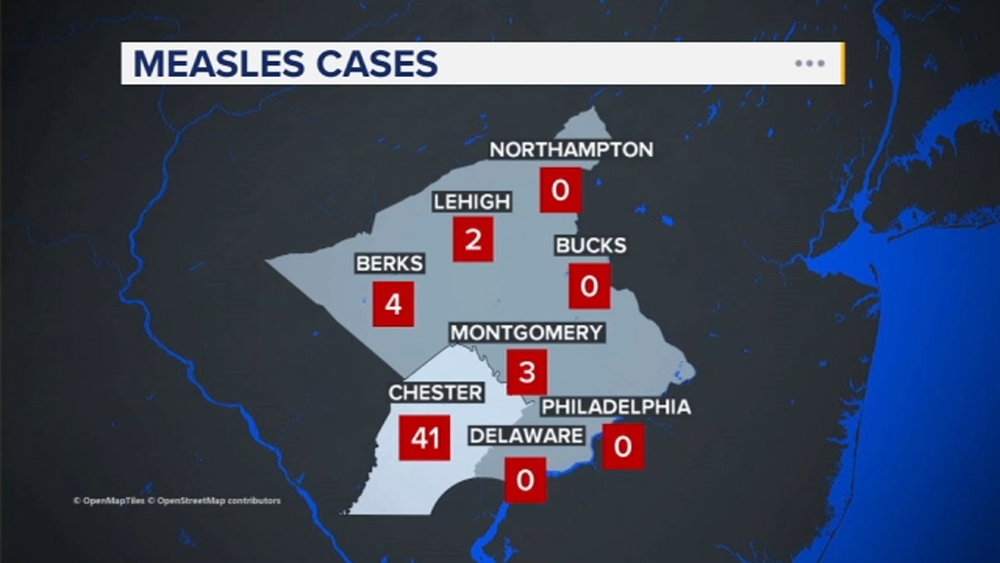
Of the 424 cases reported in Pennsylvania this year - all of them in people who were not fully vaccinated - 73, or about 1 in 6, have involved hospitalization, according to data from the state's Department of Health. Typically during outbreaks, about 1 in 5 unvaccinated people who get sick will be hospitalized, according to the National Foundation for Infectious Diseases.
About 1 in 20 children who get measles will get pneumonia, and 1 in 1,000 will develop brain swelling, or encephalitis, which can lead to brain damage.
Even with the best care, measles is deadly in about 1 to 3 people out of every 1,000 cases. The two measles-related deaths in Pennsylvania are the first reported this year in the US, where 2,777 cases have been confirmed.
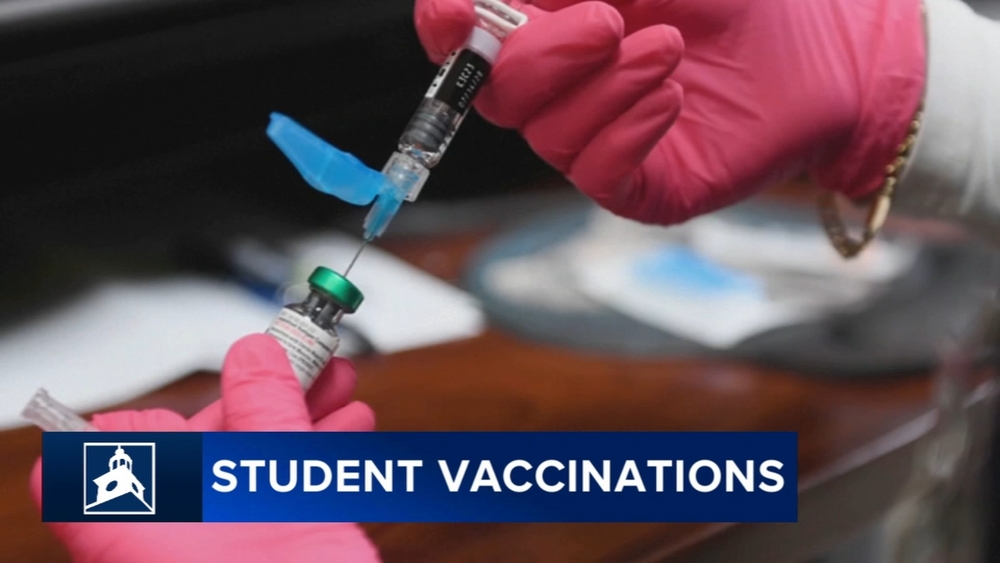
The measles-mumps-rubella (MMR) vaccine confers a high degree of protection. The recommended two doses are about 97% effective at preventing measles, according to the CDC. That's why experts consider deaths from measles to be preventable.
The deaths are "tragic," Ratner said.
But so too is the effort to try to cast doubt on them, Ratner added. "It's a common anti-vaccine talking point, and it dehumanizes the people who have suffered and died."
"We're in a much worse position than we were just a couple years ago in terms of vaccination in general in the United States, and specifically with measles, which we've clearly lost control of."
(The-CNN-Wire & 2026 Cable News Network, Inc., a Time Warner Company. All rights reserved.)