When to know if someone needs oxygen and what are the options


NORTH PHILADELPHIA (WPVI) -- Extra oxygen can be a lifesaver for people with some lung conditions or diseases.
It's a treatment going back to the days of Ben Franklin. In 1783, a French physician was the first to use oxygen therapy, giving it to a woman with tuberculosis.
Since then, it's been invaluable for people whose lungs can't get enough from room air.
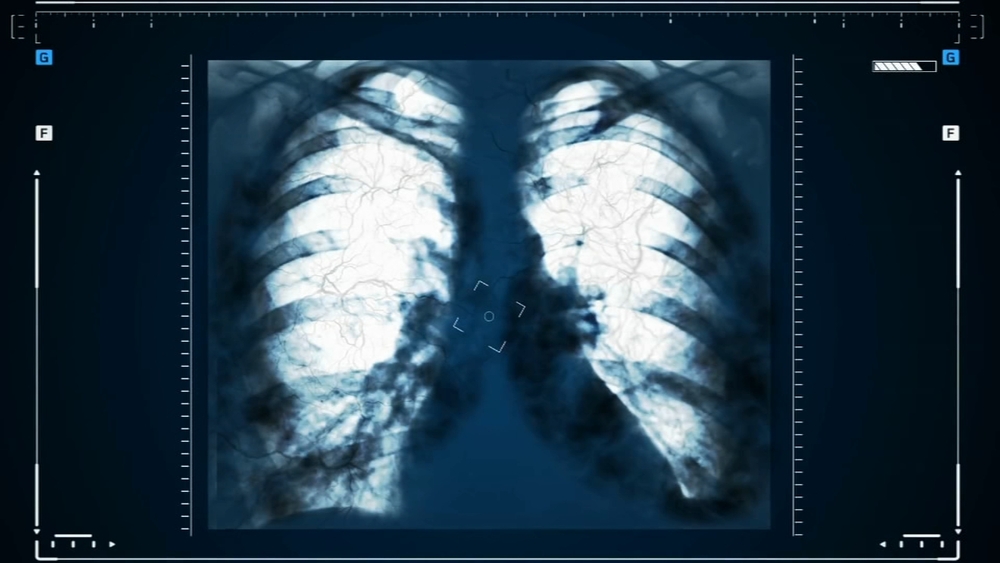
"It could be COPD, emphysema, interstitial lung disease, sometimes patients that have heart disease along with it," explains Dr. Nathaniel Marchetti, a Temple Health Critical Care Specialist.
Dr. Marchetti deals with breathing emergencies every day. He says healthy lungs keep oxygen levels in the blood at 95% or above.
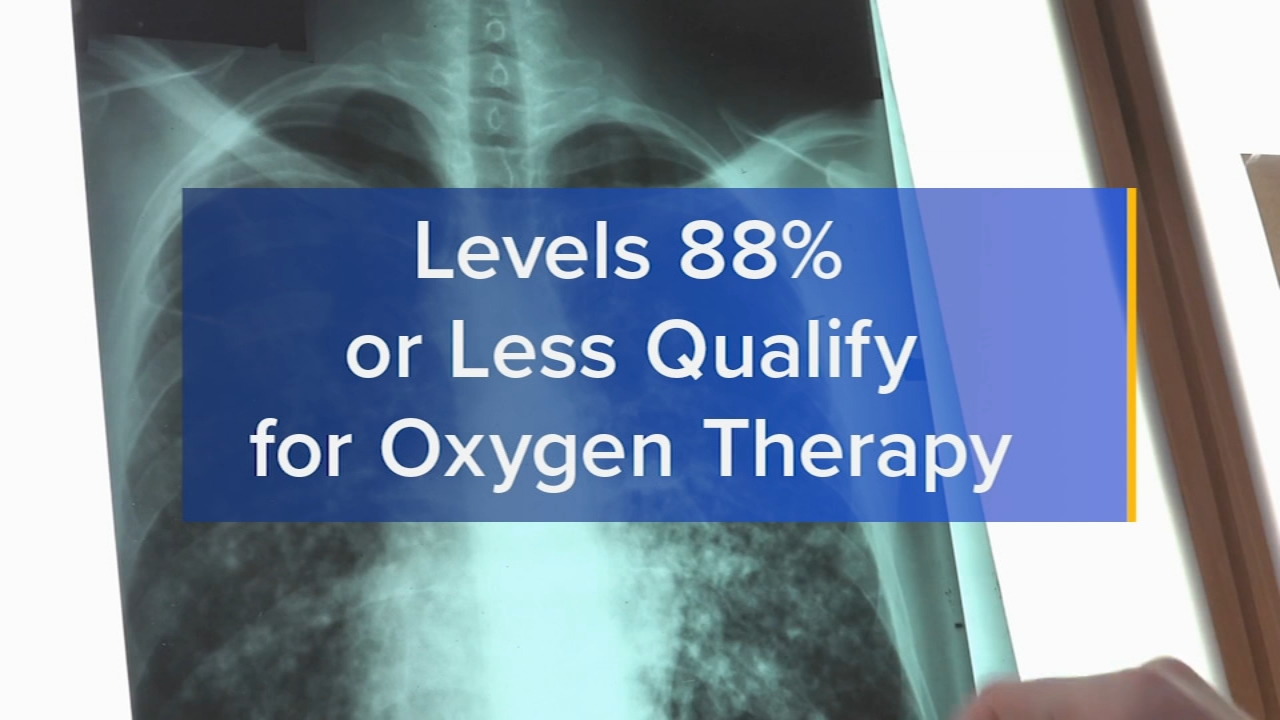
But when lungs are stiff or lack enough usable space and blood levels fall to 88% or less, a person qualifies for supplemental oxygen.
"It can be delivered through an oxygen tank, which is what most people are familiar with," he says.
The other standard option is a concentrator.
"It takes air and it concentrates the oxygen so that it delivers essentially nearly 100% oxygen through a tube," he notes.
Dr. Marchetti says the choice depends on how much, and when, a patient needs extra oxygen.
For that decision, patients should have a frank conversation with their provider and ask some key questions.



"What are my options? Am I gonna be on it forever? Is it temporary? What kind of device do I get? Am I going to be able to walk with the device?" he says.
Traveling with oxygen is another consideration.
Oxygen tanks are banned from commercial airlines, but portable concentrators might not provide enough help.
Although trips might take more planning, Dr. Marchetti says they are doable.
"This is a medication that we prescribe no different than a pill or an inhaler," he says, adding, "And I have many patients that have been on oxygen for 10, 15, 20 years."
Dr. Marchetti says pulmonary rehab is another important tool for better breathing, strengthening muscles and teaching coping strategies for dealing with shortness of breath.