

When melanoma isn't just a bad-looking mole


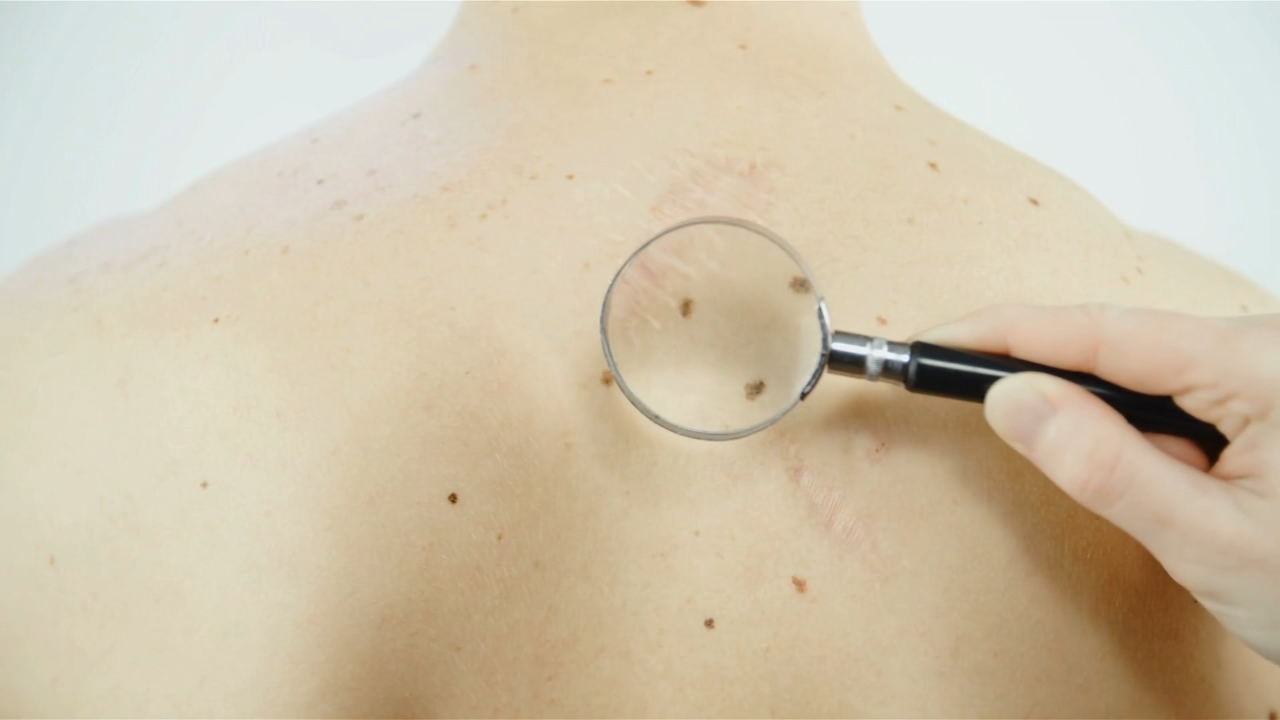
PHILADELPHIA (WPVI) -- The word "melanoma" makes us think of a dark mole, but not all of them look like that.
So, it's time to explore the unexpected melanomas.
While the most common melanomas are abnormal moles, Dr. Andrea Porpiglia of Fox Chase Cancer Center says they also take other forms.
"Such as a nodular melanoma that is more raised and pinkish. And so people can tend to ignore it, thinking that, oh, it's not brown or black, so it can't be melanoma," Dr. Porpiglia says.
She says it's also a myth that they can only be on the skin.
"We do see melanoma that can be in the eye. It can be under the nails," she explains.
It can also appear in the mouth, the palms of the hands, or the soles of the feet.
In fact, the nails, palms, and soles are very common locations for people of color.
Singer Bob Marley's cancer started under a toenail and was initially dismissed as a soccer injury.
Those types aren't related to sun or tanning bed exposure like melanoma on the skin is.
"Treatment for melanoma varies greatly depending on the stage of the melanoma, the type of melanoma that it is," Dr. Porpiglia says.
She says skin growths caught early in Stage 1 often only need surgery.



Those in unconventional spots are often more aggressive, so targeted or immunotherapy is often needed before surgery.
And the long-term outlook isn't as good.
The doctor advises sun safety for everyone: Broad-spectrum sunscreen with an SPF of 30 or higher.
"We typically recommend the mineral-based sunscreens. They tend to, I would say, be a little bit more protective," she says.
And avoid sprays that may not cover evenly.
Also, keep an eye on your skin, following the ABCDE rule:
"If it's changing size, shape, color, evolving over time," Dr. Porpiglia says.
ABCDE stands for asymmetry, border, color, diameter (about the size of a pencil eraser), and evolution.
Dr. Porpiglia says other places need to be checked, too.
"But also, it's important that the dentist is looking at your mouth as well," she says.
And your eye doctor should check for abnormalities there, too.
Melanoma is more common among those with fair skin, blond or red hair, and northern European ancestry.