Jul 17, 2026, 11:28 AM GMT
Track and timing of Texas storms and smoke conditions
ABC News' Chief Meteorologist Ginger Zee reports on the Texas storms causing flash flood emergencies and the air quality alerts in the Midwest and Northeast.
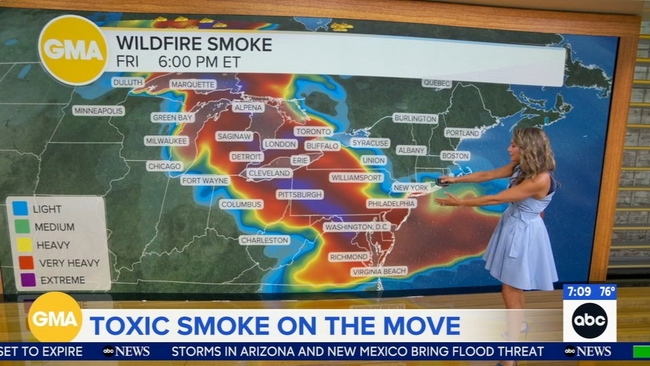


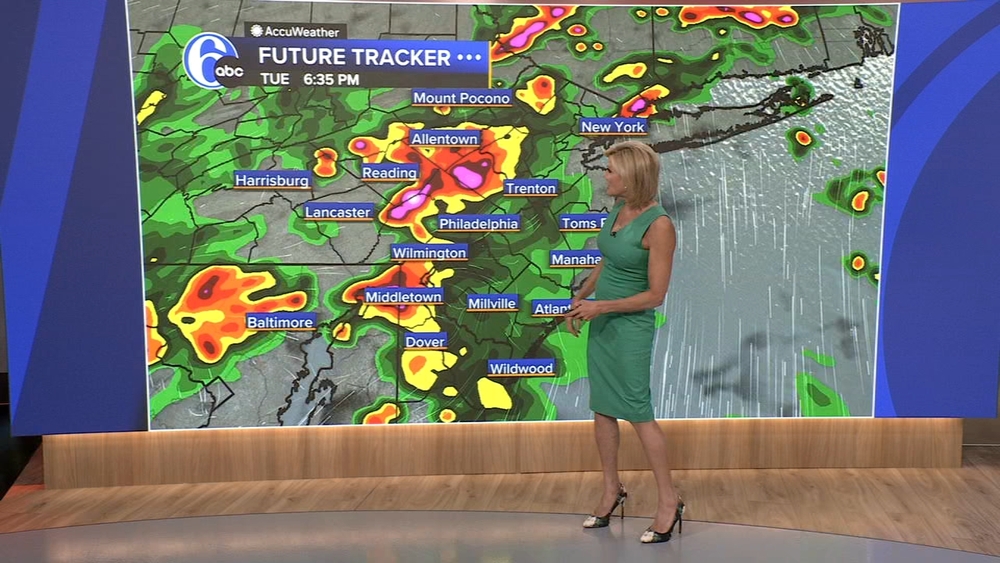
PHILADELPHIA (WPVI) -- Sunday is turning less humid with better air quality too after Saturday's storms moved through the region.
No air quality alerts are in place.
From the city to the shore, temps are pretty uniform Sunday in the low to mid-80s.
It's a perfect windows-open kind of night with temperatures dipping below average into the 50s & 60s.
Get the latest AccuWeather forecast at 6abc.com/weather.

ABC News' Chief Meteorologist Ginger Zee reports on the Texas storms causing flash flood emergencies and the air quality alerts in the Midwest and Northeast.
For those who need to work outdoors, are more sensitive to smoke or are in a high-risk group, wearing a mask can help protect you -- as long as it's the right kind of mask.
Kai Chen, an associate professor of epidemiology at Yale School of Public Health, told ABC News that the best type of mask to wear is an N95, which is designed to filter at least 95% of airborne particles.
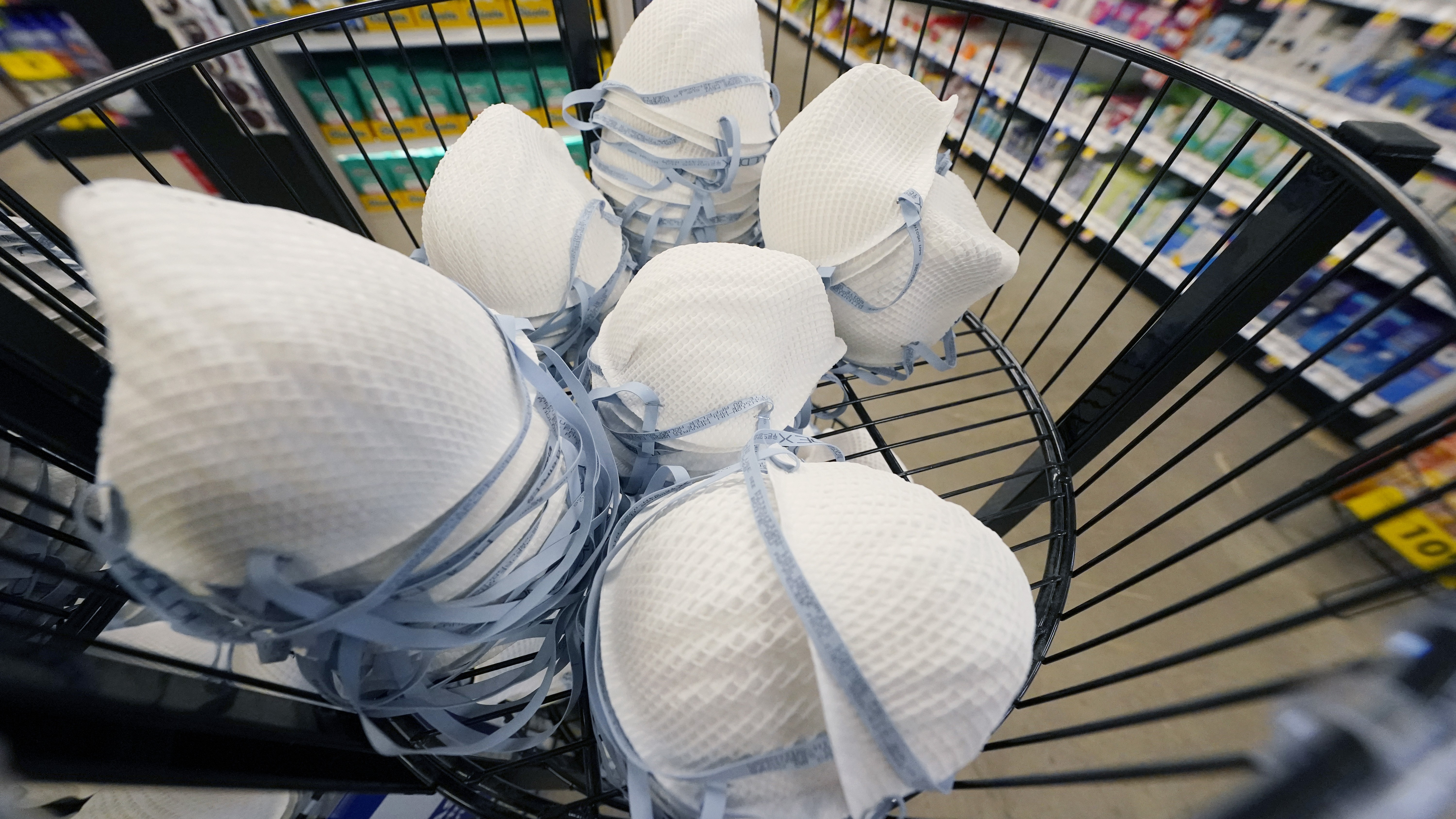
Chen said wildfire smoke is made up of fine solids, gases and fine particles, the latter of which is the most concerning.
Fine particulate matter, known as PM2.5, is 30 times smaller in diameter than a human hair. Because these particles are too small to be seen with the naked eye, they can easily enter the nose and throat and can travel to the lungs. These tiny particles get trapped in the lungs, and some of the smallest particles can even circulate in the bloodstream, according to the American Lung Association.
PM2.5 can cause both short-term health effects, even for healthy people, including irritation of the eyes, nose and throat; coughing, sneezing and shortness of breath and long-term effects such as worsening of conditions including asthma and heart disease.
"In order to protect yourself from that, we really need powerful filtration ... wearing an N95 mask is key," Chen said. "The normal surgical mask, unfortunately, would not be good enough."
Chen said surgical masks can block the majority of respiratory droplets from a cough or a sneeze but are not effective at filtering PM2.5. Similarly, paper dust masks, cloth masks, wet cloths and bandanas are not effective at filtering out fine particulate matter, he said.
Chen said people should make sure their N95 mask is certified by the National Institute of Occupational Safety and Health. The N95 should have two straps that go around the head and fit over the nose and under the chin, creating a tight seal.
N95 masks will not work properly without a tight seal, so children or people with facial hair might get reduced protection. Most healthy people can wear them safely, but some may notice it takes more effort to breathe due to the snug seal.
If you develop significant shortness of breath, dizziness while wearing an N95 mask, remove it once you are in a safe cleaner-air environment, and seek medical attention if symptoms do not improve.

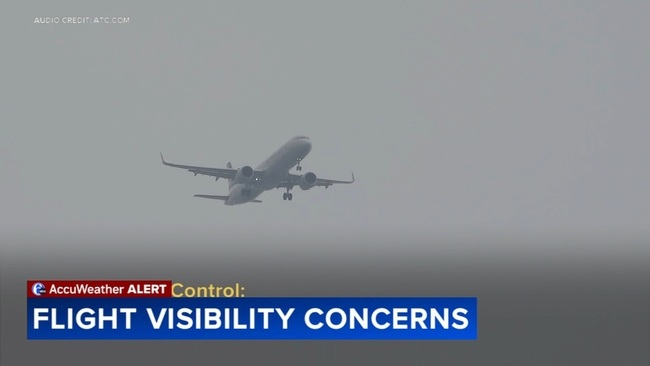
The hazy conditions are still impacting air travel.
Pilots flying into Philadelphia International Airport expressed concern about low visibility due to the thick wildfire smoke.
The FAA responded, saying it slowed traffic into the airport on Thursday.
More than 300 flights were delayed in and out of PHL Thursday and 12 were canceled.
The airport is reporting a dozen combined delays and cancellations already Friday.
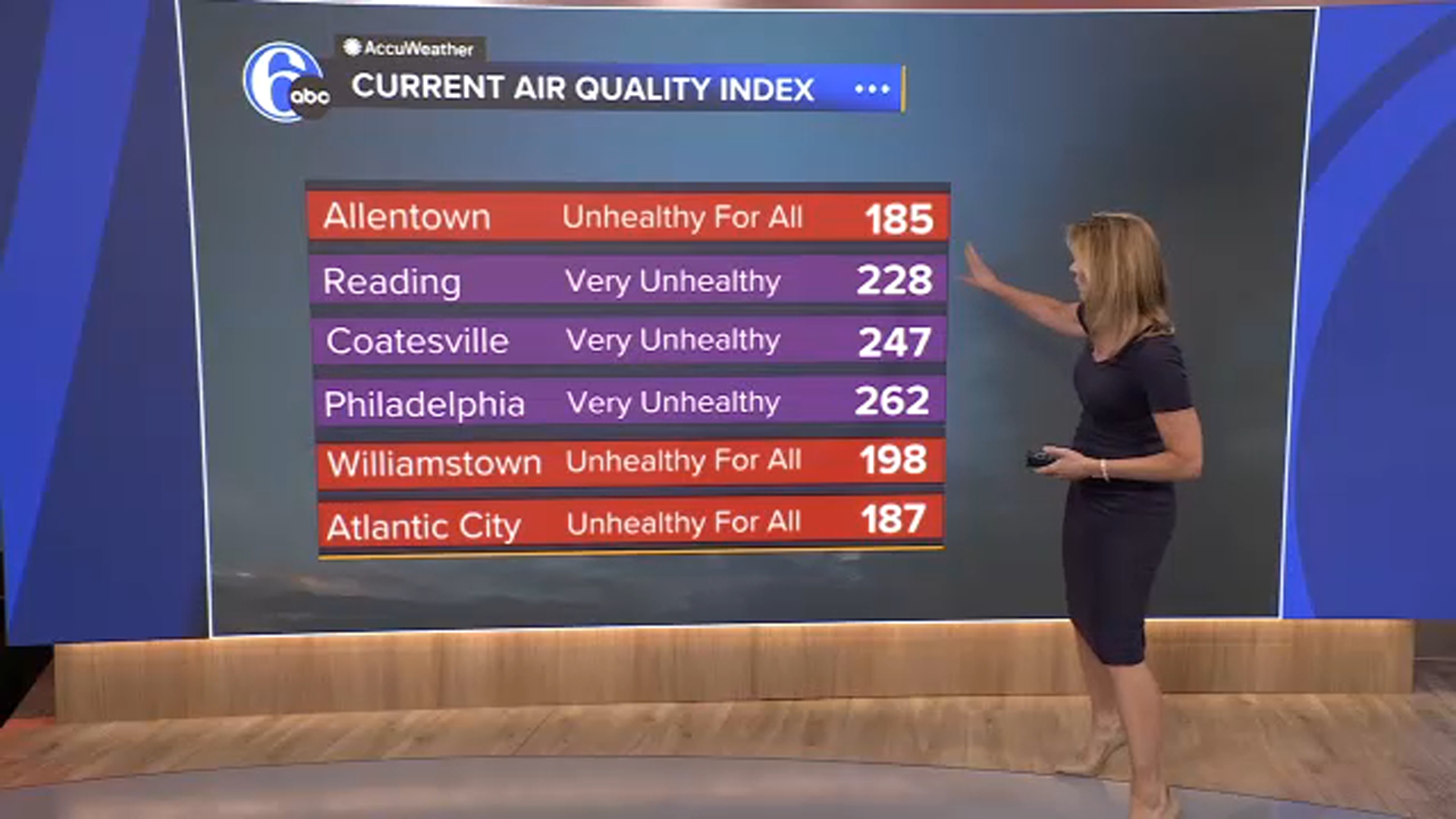
Air quality in the Philadelphia region remains at dangerous levels Friday morning due to smoke from wildfires in Canada and Minnesota.
As of 5:30 a.m., Philadelphia, Coatesville and Reading are in a Code Purple AQI, recording "very unhealthy" levels.
An AQI between 201 and 300 prompts a Code Purple, which means the risk of health effects is increased for everyone. Visibility is also reduced when AQI is this high, according to Meteorologist Karen Rogers.
Purple is the second highest air quality warning, just below a Code Maroon, which is when the AQI reaches above 301.
Early Friday morning, Philadelphia had the worst AQI in the region at 262.
"Our worsening air quality is a dangerous development," said Dr. Palak Raval-Nelson, Commissioner, Department of Public Health. "I strongly encourage all residents to take action to protect themselves by staying indoors, unless they need to be outdoors. If you do need to be outdoors, please wear a well-fitted N-95 or KN-95 mask. If you experience symptoms related to air quality, including trouble breathing, heart palpitations, nausea, or dizziness, seek immediate medical attention. Stay aware of the air quality in your neighborhood
Several surrounding areas are also in a Code Red, which is still unhealthy for everyone. Under a Code Red, some members of the general public may experience health effects, and members of sensitive groups may experience more serious health effects.
If you do not need to be outside on Friday, please stay at home," Philadelphia Mayor Cherelle Parker said.
Officials say the Health Department is hopeful that this event will end by the weekend. However, this forecast could change.
READ MORE: Air Quality Index: What do the numbers mean?