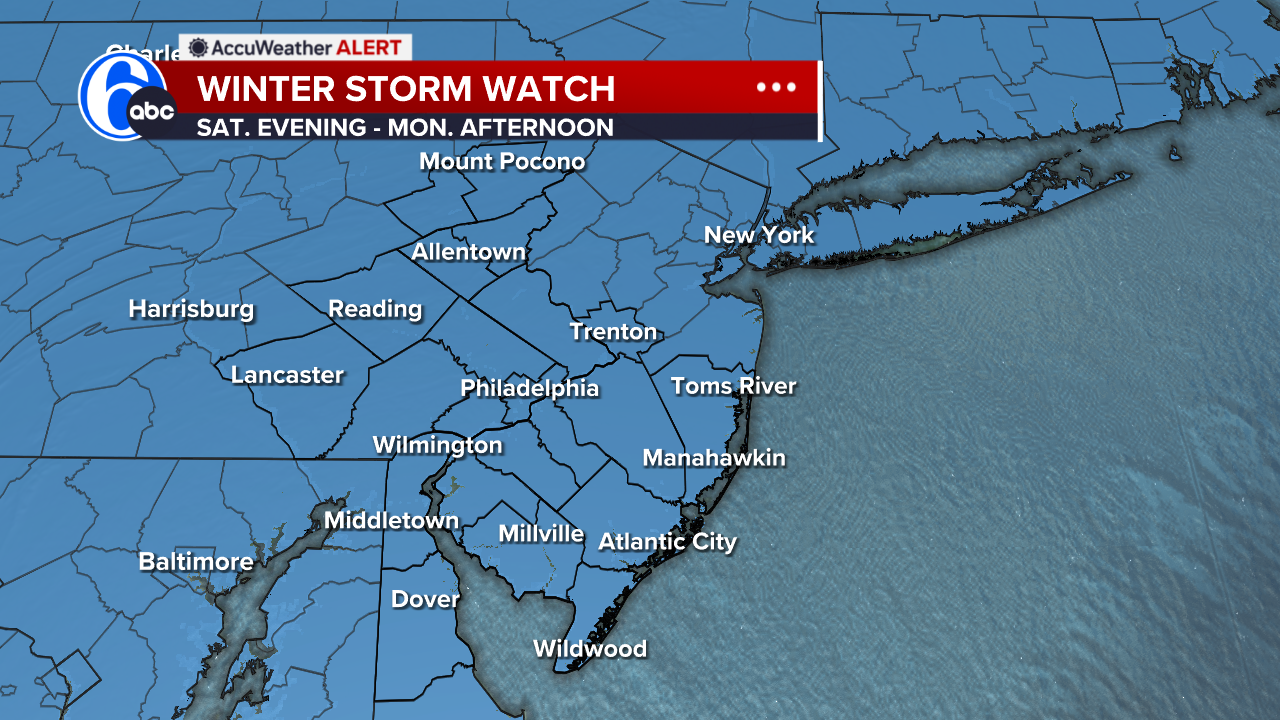
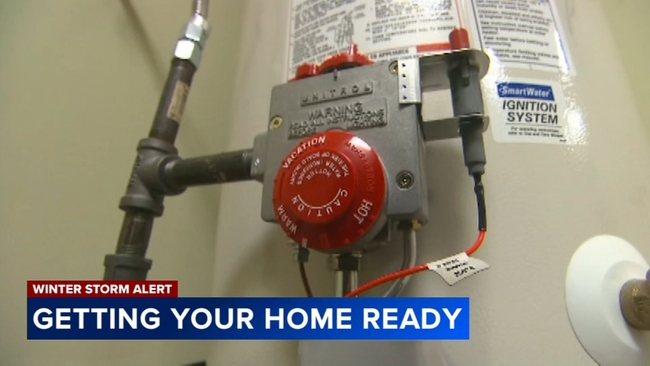
With a massive winter storm expected to hit the region, homeowners have a narrow window to prepare their homes and avoid costly damage later.
Beyond stocking up on groceries, experts stress that taking steps now to protect plumbing and equipment can prevent flooding, frozen pipes and other winter disasters.
Snow and ice create risks for roofs, gutters, water pipes, and drains. Consumer Reports' home improvement expert, Paul Hope, knows that firsthand.
"I had a ton of water falling in through my kitchen, and it's very, very, very hard to fix, but very easy to prevent," Hope said.
Do these things now to protect your home during winter storm
Hope said he failed to clear debris and leaves from his gutters. When snow accumulated on his roof and later melted, the water had nowhere to go.
"And as a result, that water jammed back up, formed ice dams on my roof, and eventually backed up under the shingles, soaking my kitchen," Hope said. "Even experts make mistakes."
To prevent similar damage, homeowners should clear out gutters and drains before snowfall begins.
Patrick Convery of Zoom Drain advises also addressing other drains.
"First thing is locate your outside sewer. Clean out your vent because that's the easiest way to access your sewer line if there is an issue and you don't want it to get buried under a foot of snow, if you do have a problem," Convery said.
Homeowners with sump pumps should test them before the storm arrives.
"You want to get a five-gallon bucket of water, dump it into the pit. Make sure the sump is properly functioning because that could lead to a flooded basement if it's not ready for the melting snow," Convery said.
Another critical step is protecting pipes from freezing temperatures.
Hope warned, "This is definitely the time you want to disconnect any outdoor garden hoses, drain any hose bibs, shut off the water to any of those outdoor water sources that you might have."
Pipes in cold areas should be insulated to prevent freezing. Hope said the fix is inexpensive and straightforward.
"That sounds complicated; it's really simple," he said. "You can go to a home center or hardware store, buy foam pipe insulation. It's really just a few cents per foot."
If insulating pipes isn't possible right away, homeowners are advised to leave at least one cold water faucet running at a slight drip to reduce the risk of frozen pipes.
Finally, homeowners should check equipment before the storm hits. Snow blowers and generators should be tested and ready to operate in advance, not after snow begins falling. Generator safety tips are available from the American Red Cross.
Experts also recommend stocking up on water and ensuring flashlights, extra batteries and backup power sources for phones, laptops and radios are ready in case outages occur.
Taking these steps now can help homeowners weather the storm and minimize damage once it arrives.