CHOP video addresses misinformation about creatine use among teenagers amid 'looksmaxxing' trend


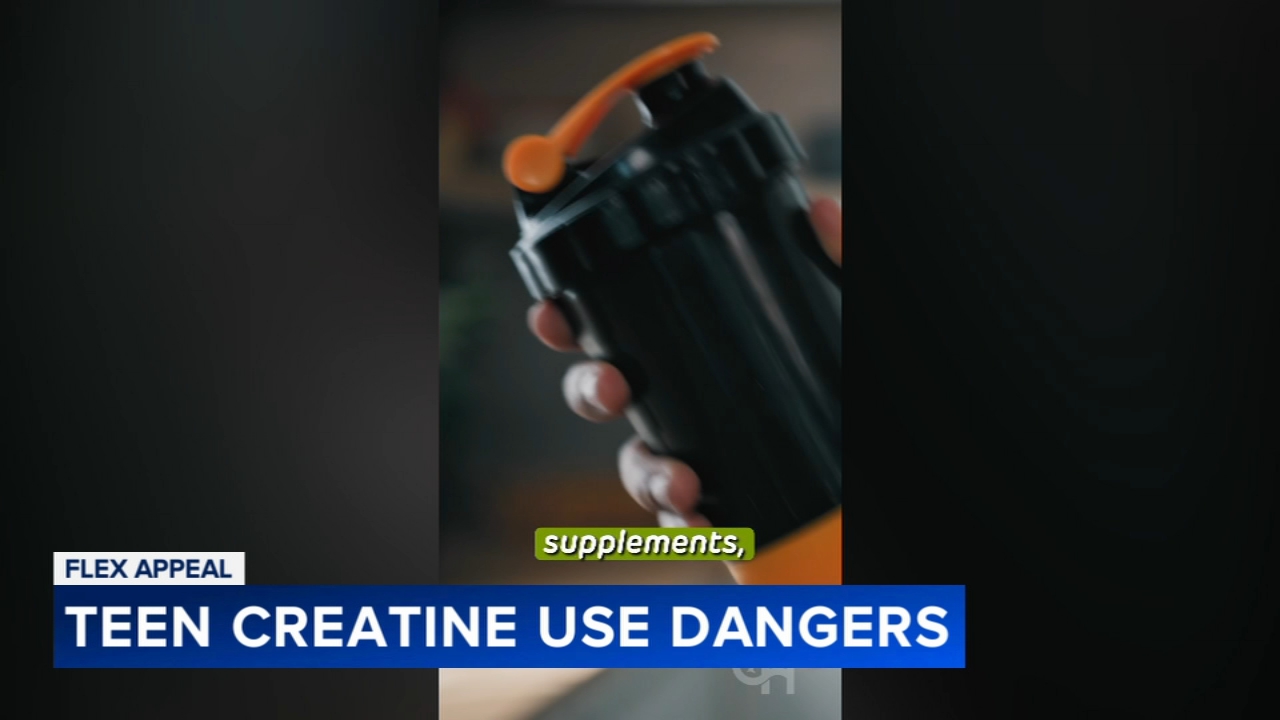
PHILADELPHIA (WPVI) -- A new video from Children's Hospital of Philadelphia is addressing misinformation about creatine use among teenagers as the supplement gains attention on social media through the growing "looksmaxxing" trend.
The hospital's latest social media video warns that creatine is not a shortcut to muscle growth and highlights the lack of research on how the supplement affects teenagers whose bodies are still developing.
In the video, CHOP explains that creatine does not build muscle on its own.
"Here's the catch: creatine doesn't build muscle by itself," the video states. "If you're not lifting more and sleeping well, creatine is basically doing nothing."
Helping deliver that message is 17-year-old Vedant Srinivasan through CHOP's Pediatric Health Chat, a newly launched online tool designed to provide families with reliable, evidence-based information.
The initiative comes as many parents and teenagers increasingly turn to social media for medical guidance.



"There's a lot of conflicting information out there by fitness influencers claiming that creatine can kind of help, like, supercharge muscle growth in teens," Srinivasan said. "And, you know, the truth is, it's a lot deeper than that, it's a lot more complicated."
According to CHOP physicians featured in the video, social media feeds are filled with claims that creatine is the key to building muscle quickly.
However, they emphasize that the supplement has not been studied in teenagers and should not be viewed as a replacement for healthy habits.
Experts say consistent exercise, adequate protein intake and quality sleep remain the primary factors in building strength.
They noted that relying on creatine alone will not produce muscle gains.
"There's a lot of myths and rumors about how you can influence your appearance online," said Joanna Parga Belinkie, attending neonatologist in the Division of Neonatology at Children's Hospital of Philadelphia "That's the fear, is that people think this could be a shortcut to building muscle. If they take the supplement. We really just don't have the studies to say exactly how it affects teenagers."
Doctors are urging parents to consult their child's pediatrician before approving the use of any supplement.