Experts advise produce precautions amid Cyclospora outbreak investigation


PHILADELPHIA (WPVI) -- Public health officials are urging consumers to take precautions when preparing fresh produce as investigators continue to determine the source of a Cyclospora outbreak.
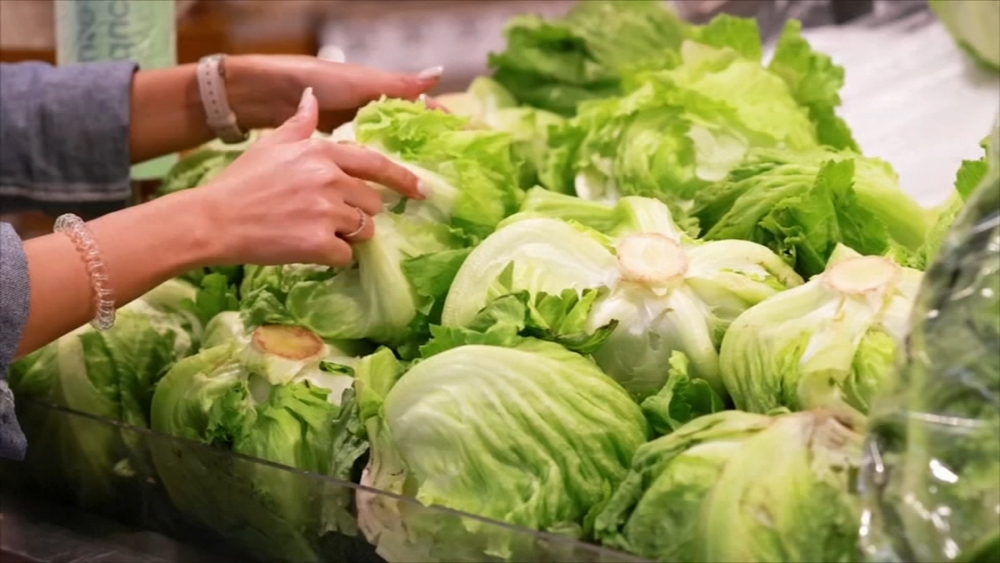
Recommended steps include removing the outer layers of head lettuce and washing produce under cold running water. Officials also advise peeling fruits and vegetables when possible.
Among shoppers, concern about the parasite varies.
"I don't buy the pre-packaged lettuce, so I just buy it fresh and then wash it myself. So I'm not really that concerned about it," said Teresa Pfeffer of Northeast Philadelphia.
READ MORE | Tips to stay safe amid rising cases of stomach parasite cyclospora
Others have adjusted their eating habits.
"We usually have a salad at every dinner, but we've kind of given that up," said Mike Murphy of Bensalem.
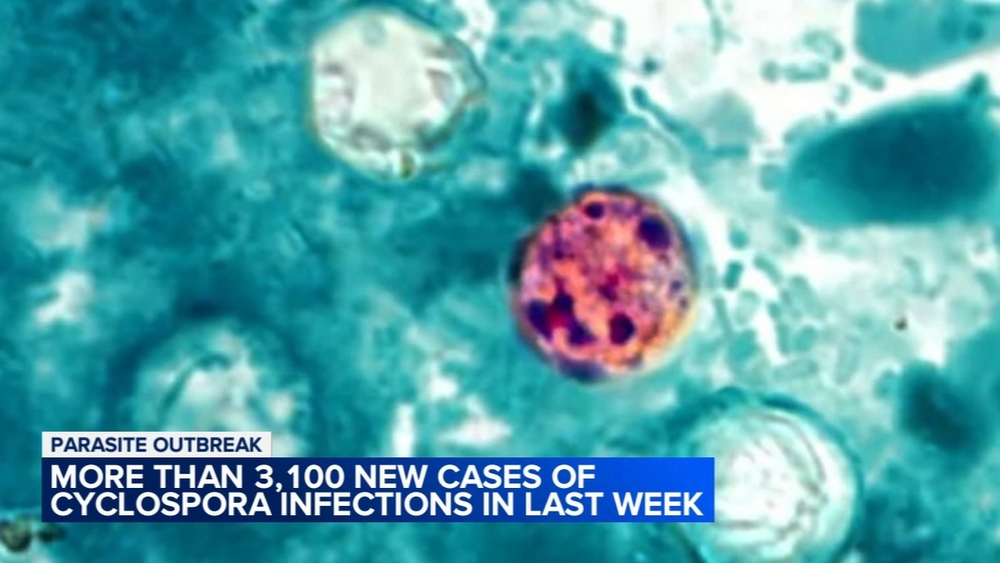
Public health officials in New Jersey and Philadelphia say they have not seen a spike in cases locally. Michigan, however, has recorded more than 450 new cyclosporiasis infections since Monday, according to state health officials.
No deaths have been reported.
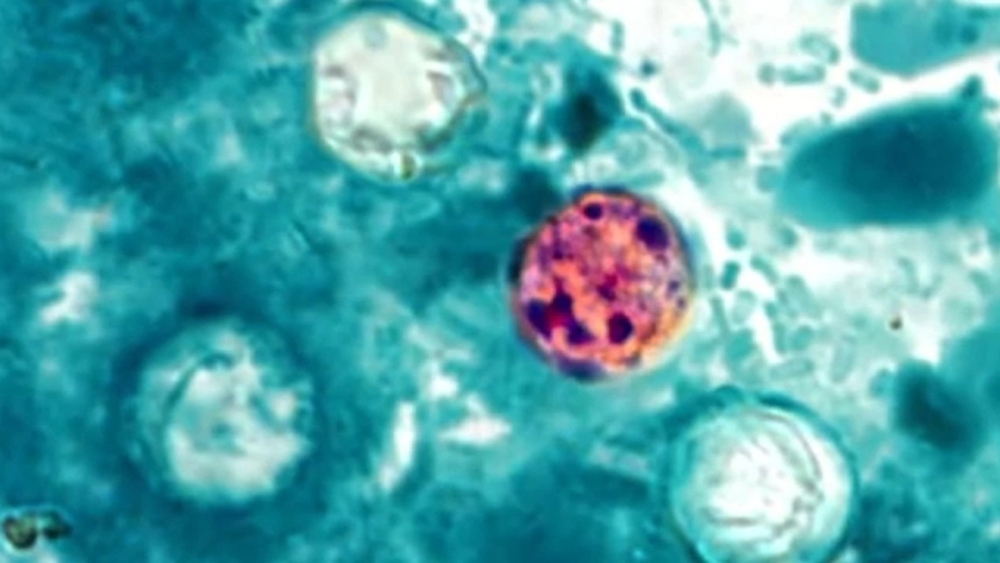
Cyclospora causes an intestinal illness that may not produce symptoms until as long as two weeks after a person consumes the parasite.
"Nausea, vomiting, diarrhea is the major problem," said Dr. Akhil Vaidya, a distinguished professor and director of the Center for Molecular Parasitology at Drexel's College of Medicine.
"Fortunately, it is treatable. There are antibiotics that will work on it, an antibiotic called Bactrim," Vaidya said.
Vaidya said testing is available to confirm cyclosporiasis. He added that produce that grows low to the ground is at greater risk of contamination from fecal matter.
Kaitlin Pander, a registered dietitian and nutritionist with Penn State University, said washing produce is helpful, although no method is completely effective.
"Removing the first couple of layers of your lettuce and discarding that and then washing, separating the leaves. You don't have to completely deconstruct it, but you want to make sure we separate the leaves to get in between them," Pander said.
Health experts do not recommend eliminating fruits and vegetables from the diet because of concerns about Cyclospora.
For those who remain concerned, Pander said consumers can temporarily switch to canned or frozen vegetables until more information is available. She also said cooking fruits and vegetables to 158 degrees is a safe option.