Reaction after appeals court ruling allows changes to President's House exhibits


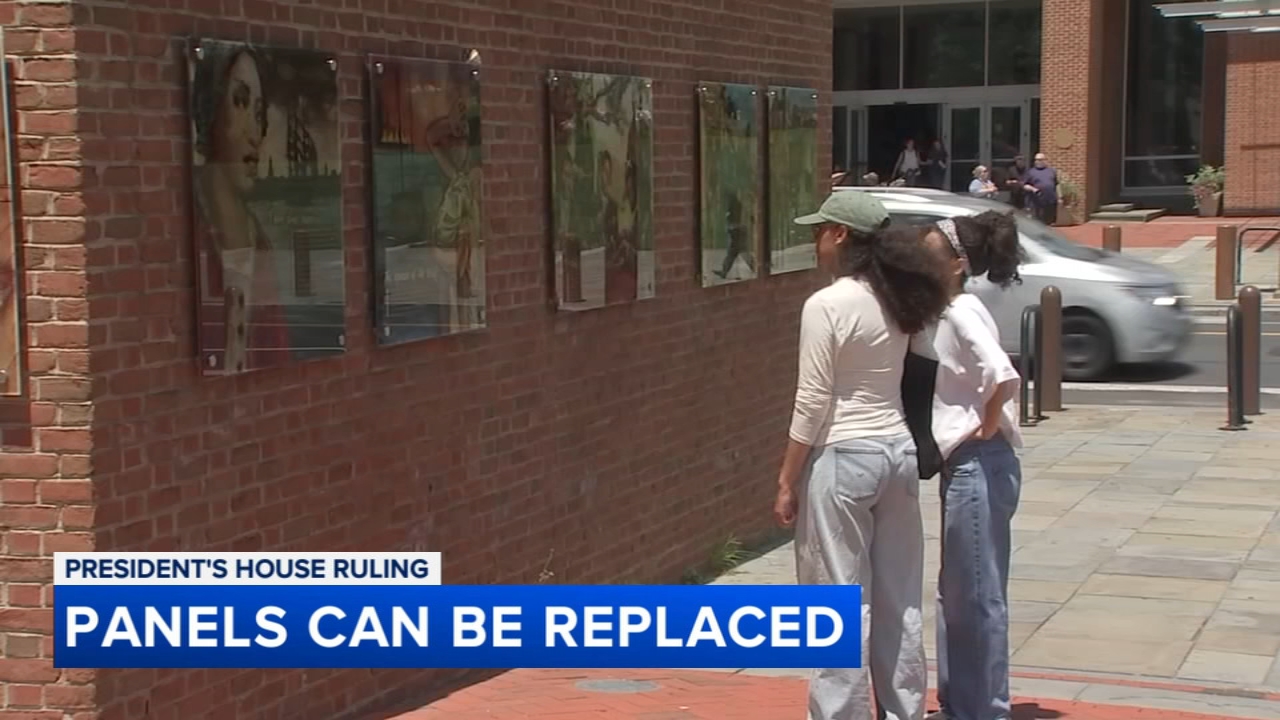
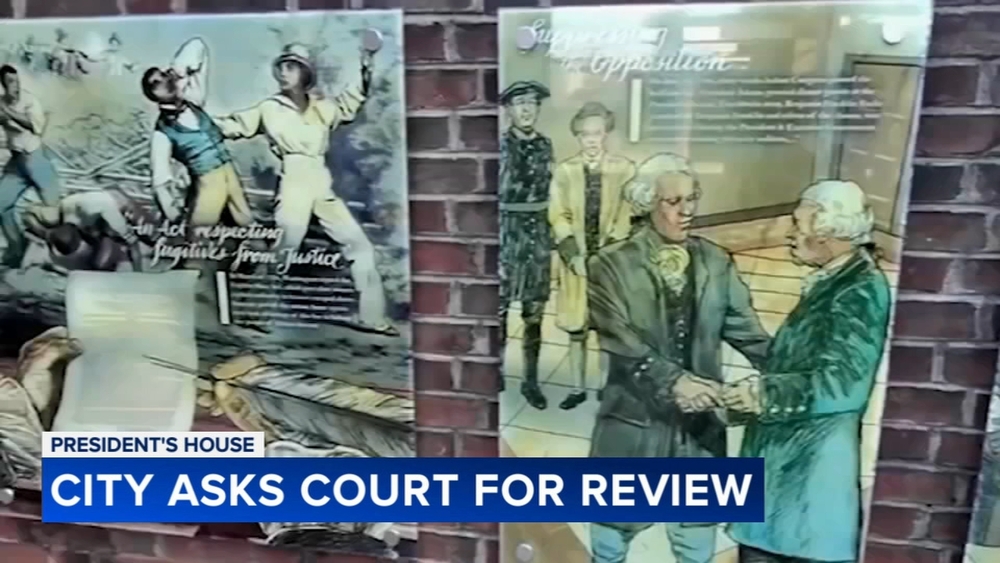
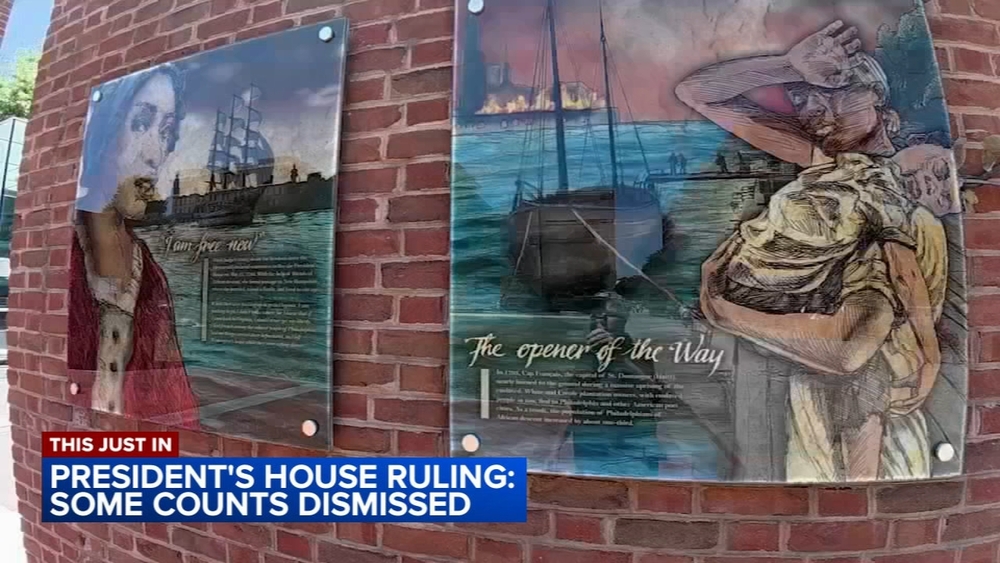
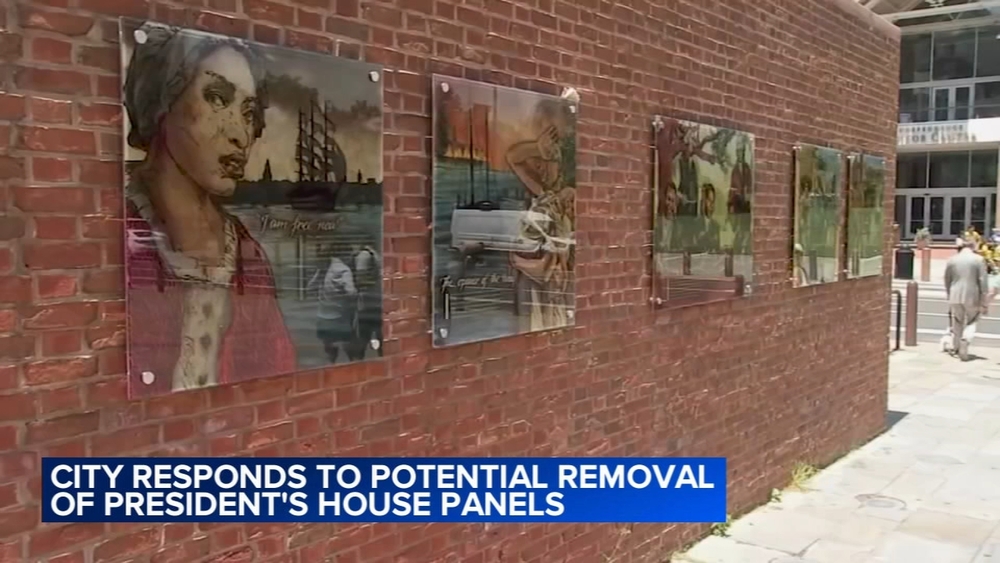
PHILADELPHIA (WPVI) -- A federal appeals court has ruled that the Trump administration has the authority to alter exhibits at the President's House site, including the removal of panels telling the stories of nine enslaved people who lived there, in a decision that city officials and advocacy groups say is a major setback.
The City of Philadelphia had sued earlier this year, arguing that the administration did not have the right to remove the panels from the historic site on Independence Mall. A district court judge initially sided with the city, but the appeals court reversed that decision, ruling that the city does not control the site or what is displayed there.
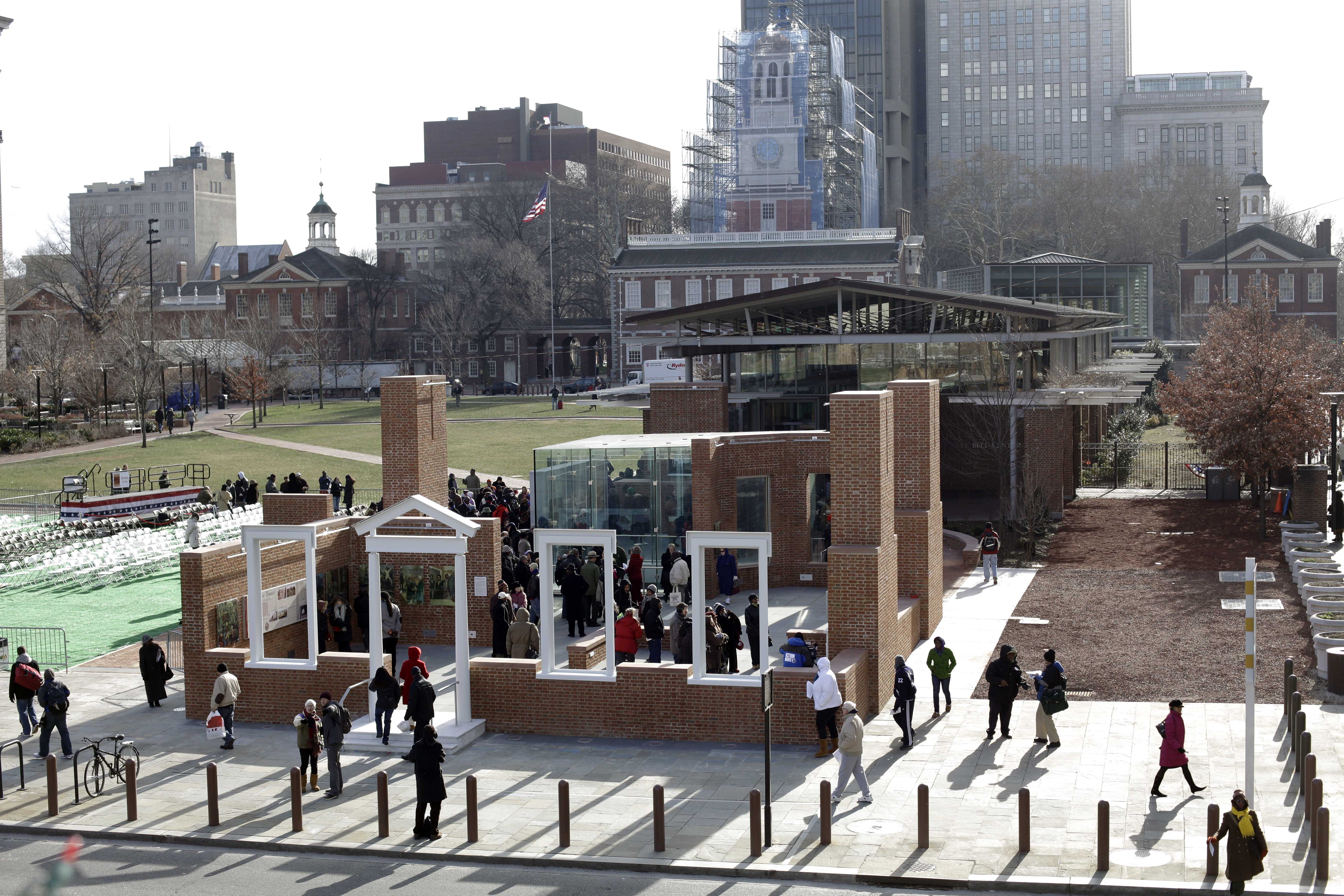
The court determined that the President's House falls under the jurisdiction of the National Park Service, not the city. As a result, panels that remain at the site could be removed, even as visitors continue to come from around the world to learn about American history.
RELATED | Slavery exhibits at President's House in Philadelphia removed after Trump administration directive
Tourists visiting the area expressed both interest in the site's history and concern over the changes.
"To understand the culture and the history of the US, that's fantastic," said Rodrigo Ramos of Sao Paulo, Brazil.
Visitors noted that the President's House is often part of a broader historical tour that includes other landmarks like the Liberty Bell.
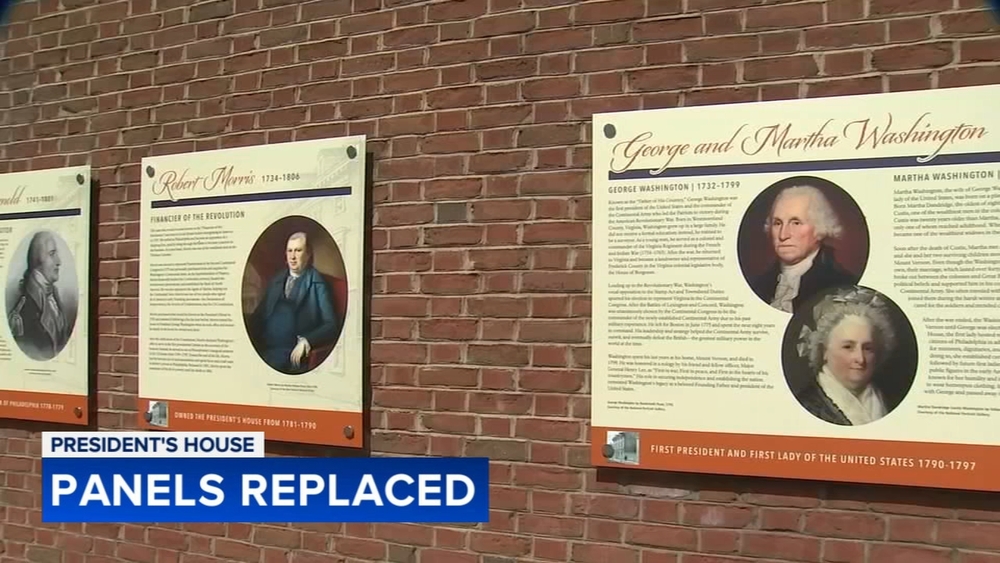
However, some of the site's historical interpretation has already been altered. Panels detailing the lives of the nine people enslaved by George Washington were taken down earlier this year following an order by the Trump administration. After Philadelphia filed suit and initially won, crews restored about half of the 34 panels before an appeal halted further reinstallation.
Now, with the appellate court's decision, the administration may remove all remaining panels and replace them with new content.



READ MORE | Fears for Independence Mall as Trump orders removal of displays that 'disparage' American history
"That's really sad. It's an erasure of really important history," said Paul Sproll of Providence, Rhode Island.
Others stressed the importance of presenting a complete account of the past.
"I think it's important that we see all of history, the good and the bad. And I think it's inspiring to see where we are and how far we've come. It gives me a lot of hope," said Tony Moses of Omaha, Nebraska.
Organizations that advocated for keeping the panels said they were disappointed by the ruling.
"This is the place where we should be demonstrating 'we the people' and inclusive of histories that sometimes, many times, is very difficult," said Cheryl Williams of Providence, Rhode Island.
International visitors also voiced concern about how the changes could affect public understanding of history.
"In Brazil, we had history of slavery also, and I think it's important to show for the younger generation," said Ramos.
"We have foreigners visiting. People from out of the country and they're not going to get the whole picture. So it's just really disappointing," said Alessia Simmonds.
Proposed new panels reviewed at the site portray Washington more sympathetically, noting that he freed his enslaved people in his will. Critics argue that this contrasts with stories such as that of Ona Judge, who escaped slavery and was pursued by Washington for years.
Advocacy groups say the legal battle is not over. The Avenging the Ancestors Coalition, which has been involved in efforts to preserve the panels, said it plans to continue fighting to keep the full history represented at the site.