Hundreds rally at Philadelphia City Hall calling for end to US strikes on Iran

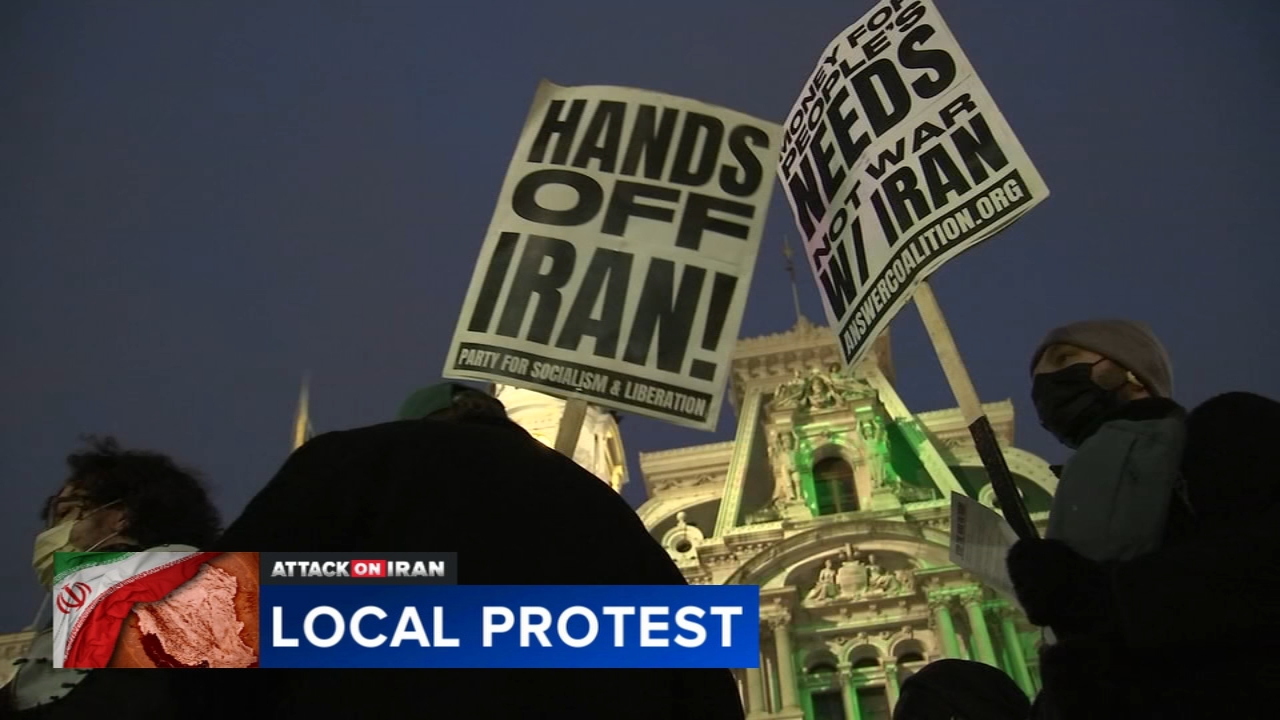
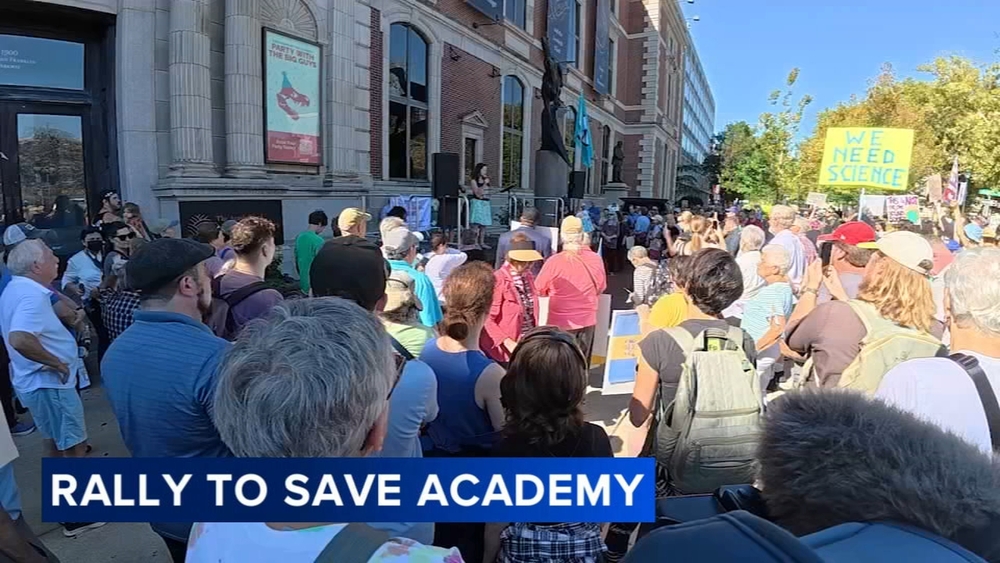
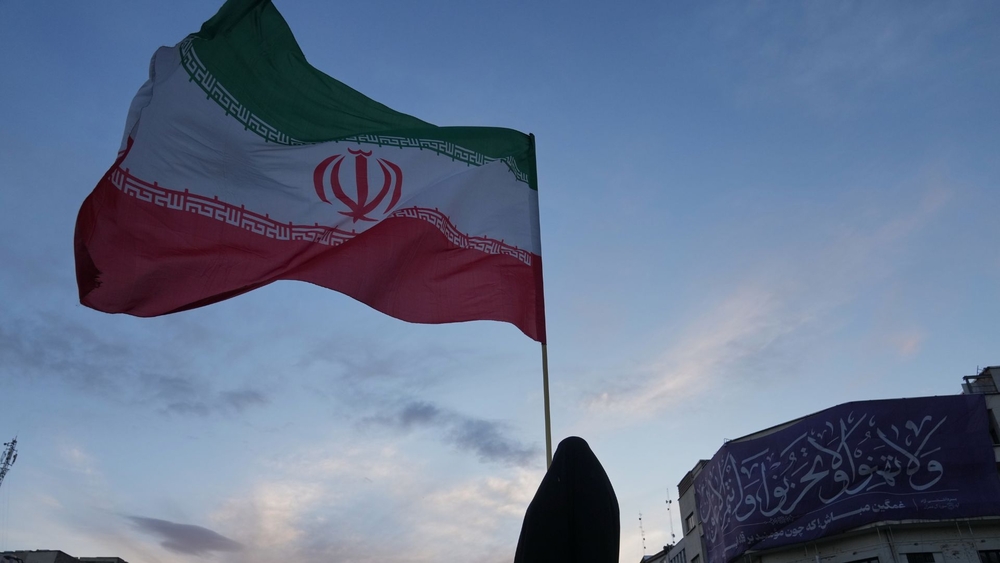
PHILADELPHIA (WPVI) -- Hundreds of people gathered outside Philadelphia City Hall on Monday night, calling for an end to U.S. military strikes on Iran and urging the United States to stay out of the escalating conflict overseas.
Organizers said the rally was one of more than 60 held in major cities nationwide as anti-war groups designated the day a national day of action.
The protest was organized by the Party for Socialism and Liberation Philly, the ANSWER Coalition and Socialist Alternative.
"We're here to rally against Trump's new imperialist war in Iran, and to say that we will not tolerate the spending of $1 trillion on the military budget every year and almost $200 billion on ICE while communities are underfunded, schools are underfunded, infrastructure is underfunded, and healthcare is exorbitantly expensive," said Elan Axelbank of Socialist Alternative.
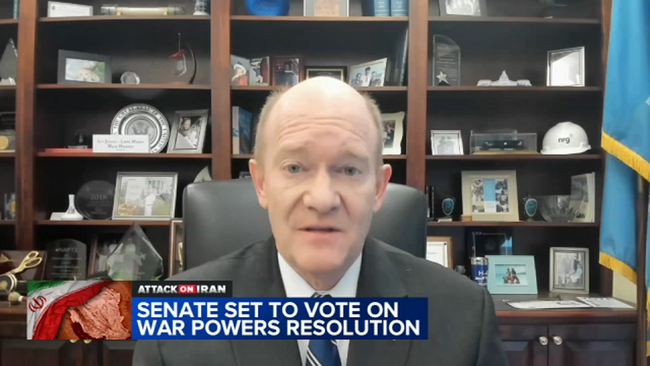
RELATED | Local lawmakers weigh in as Congress prepares to vote on Trump's war powers in Iran
"The only way to stop Trump's attacks is with a massive working-class movement that shuts down business as usual," Axelbank said. "None of us have an interest in a war with Iran. None of us have an interest in our tax dollars being spent to bomb people in other countries while our own communities are underserved and underfunded."
Dr. Timour Kamran of the Party for Socialism and Liberation said the demonstrations are meant to show widespread opposition.
"We're here to show that the people of the United States don't agree with this illegal aggressive attack on Iran by the Trump regime," Kamran said. "We're here just to stand up for all the people who love peace and who don't want to see pointless destruction in the Middle East."
"The reason we do these demonstrations is to reach as many people as possible, as many Philadelphians as possible, and let them know that most people don't agree with this war and we want to let them know that they are not alone," he said.
READ MORE | Local lawmakers weigh in as Congress prepares to vote on Trump's war powers in Iran


"Stop the war in Iran. We don't want to see any war in Iran. We know that there are no examples of the United States bombing a country and them ending off better because of it," Kamran added.
He also referenced past U.S. conflicts in the Middle East.
"The famous quote, when the United States invaded Iraq and Afghanistan, four days, four weeks, maybe four months, and we all know how long that occupation lasted, so," Kamran said.
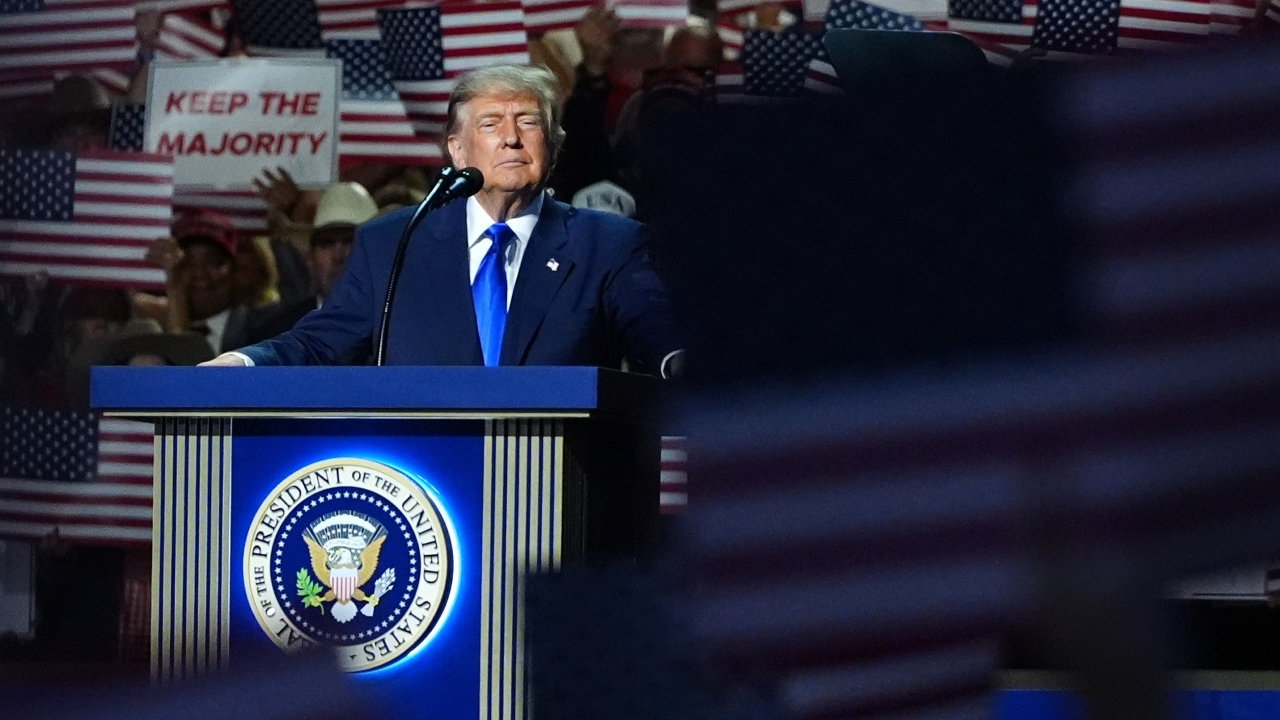
Earlier in the day, President Donald Trump defended his decision to strike Iran, saying the United States was "nearly under threat."
"The regime already had missiles capable of hitting Europe and our bases, both local and overseas, and would soon have had missiles capable of reaching our beautiful America," President Trump said
While the president said the military operation is projected to last four to five weeks, Aaron Stein, president of the Foreign Policy Research Institute in Philadelphia, said Americans should prepare for a longer conflict.
SEE ALSO | War with Iran: Crude prices jump as experts warn of possible rise at the pump
"The president launched a conflict without ever really making a case. I don't think Americans were truly grappling with the idea that they could be at war for probably at the minimum eight weeks here going forward," Stein said.
"I'd say generally the [national security] risk is pretty low. But all it takes is one for this to spill over in order to cause some problems. But I would say the real risks would be secondary. It's the cost of energy, increase in the cost of affordability for Americans, although we'd be secondary to that mostly to people in Europe," he said.
"This is a war that, if you believe in most polling right now, has 25% approval rating. Again, this is a war that was launched without public support and so my guess is that if it drags on that support will probably go down," Stein said.
"I think we should just buckle up. It's three days. I think that it's one of these things where we look for quick results and I think it's going to take perhaps as long as three months. We'll see," he added.