Montgomery County triples fines for e-bike violations on county trails


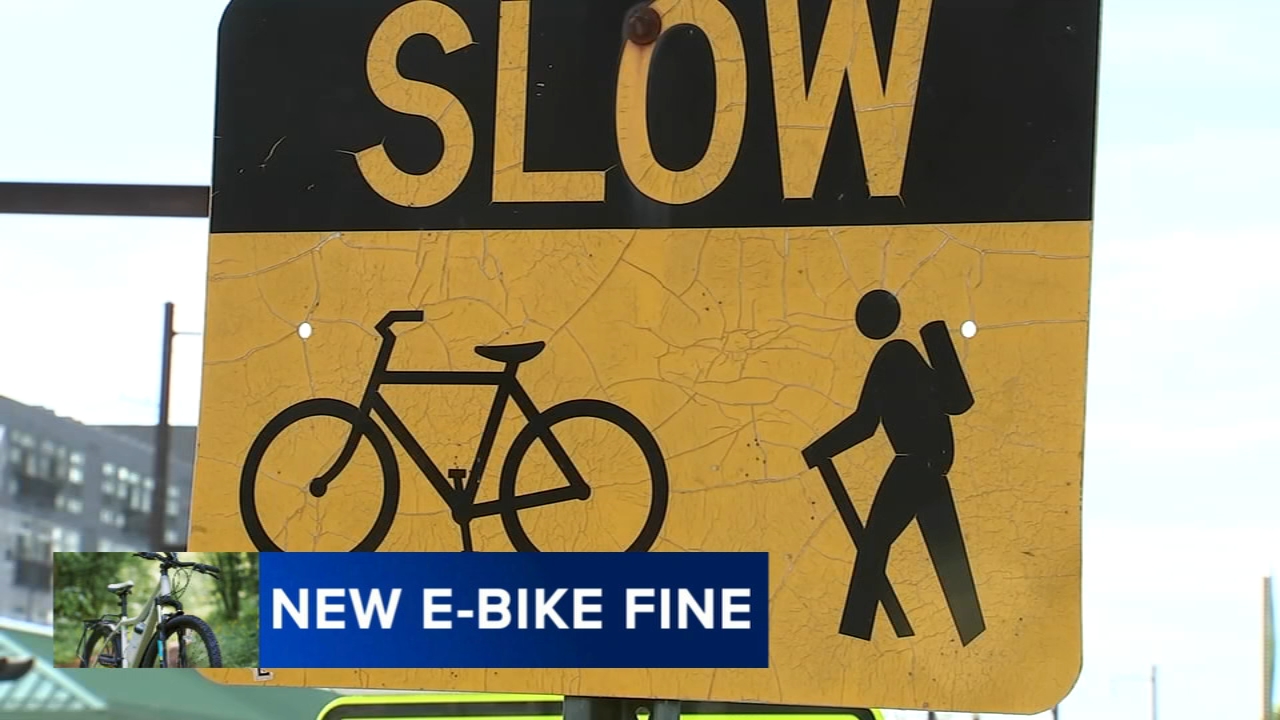
NORRISTOWN, Pa. (WPVI) -- Montgomery County officials have approved a measure to increase fines for electric bike users who violate trail regulations, responding to growing concerns about safety along popular commuter paths like the Schuylkill River Trail.
The new rules, passed by county commissioners on Thursday, raise fines from $100 to $300 for e-bike riders who break the law.
Regulations specify that e-bikes must weigh no more than 100 pounds, have motors no stronger than 750 watts, include functional pedals, and not exceed a speed of 15 miles per hour.
"There's some individuals who are riding what are essentially like motorcycles on the trails, and those can go up to 50 mph," said County Commissioner Neil Makhija. "They're incredibly dangerous."
Trail users expressed mixed feelings about the growing presence of e-bikes.
"They go really, really fast. And they're so quiet you never know they're coming," said Joe Reyes of Cherry Hill, New Jersey.
Jen Bradley, of Conshohocken, added, "Most of them don't know how to actually ride a bike; they're just using it as a method to go fast."
John Curtis, who frequently rides his e-bike along the Schuylkill River Trail, said he typically travels between 10 and 15 mph but can reach speeds of up to 25 mph.
"I think it's fun. I do get to go pretty fast," Curtis said. "After learning about the new fines, he added, "I think it needs to be absolutely publicized. Because someone like me - I didn't even know there was a speed limit."

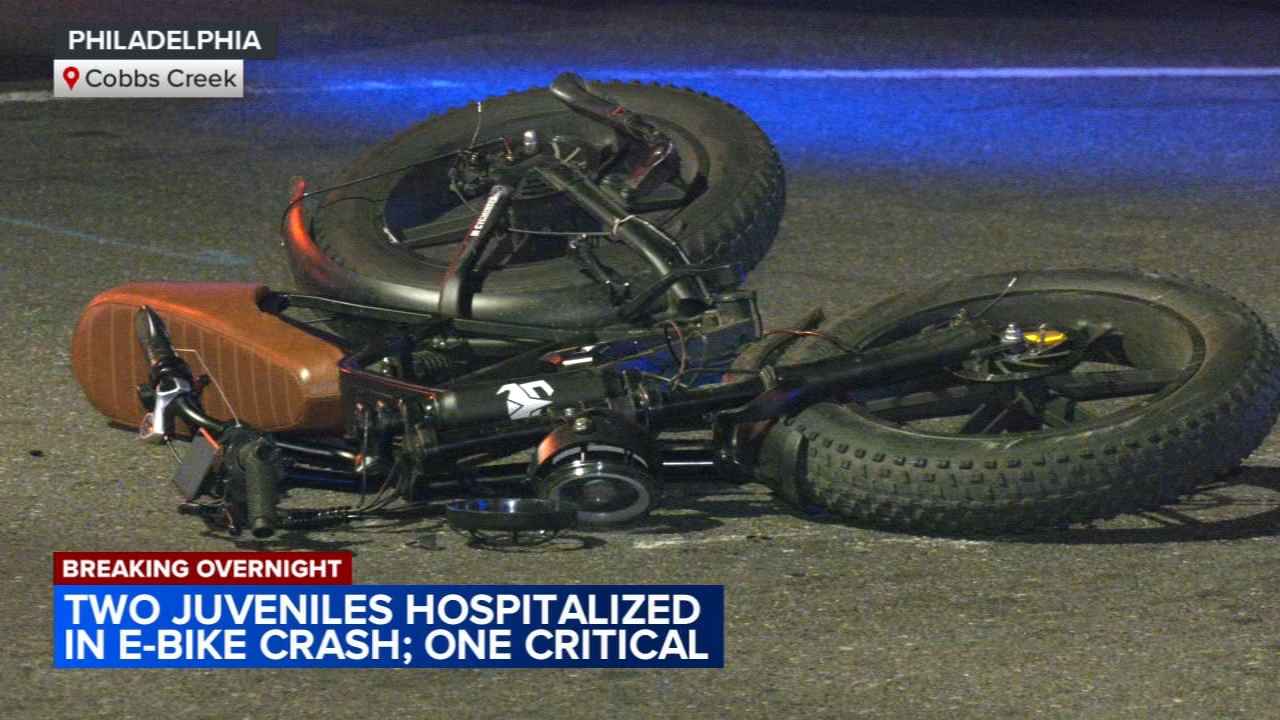

The issue extends beyond Montgomery County.
In Aston, Pennsylvania, legislation has been proposed to regulate electric scooters following the death of 12-year-old Abby Gillon last month.
In Somers Point, New Jersey, a 14-year-old was killed when his e-bike was struck by a vehicle.
Montgomery County officials say new signage will be installed to inform riders of the updated rules.
"We want to ensure whether you're older or younger, it's a safe place for everyone to enjoy," Makhija said.
Commissioners plan to meet with local police chiefs in the coming weeks to discuss enforcement strategies, including potential checkpoints starting next month when trail usage typically increases.