Prices on vehicles expected to rise soon: What buyers should know


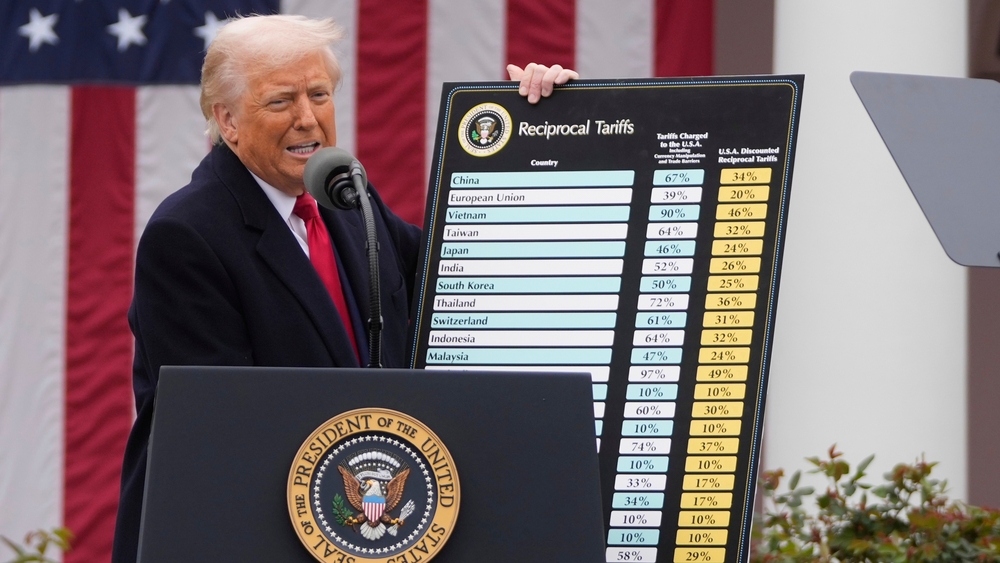
PHILADELPHIA (WPVI) -- If you're in the market for a new car, prepare for higher prices. A deal to lower tariffs on European cars imported into the U.S. has been put on hold, and a 27.5% tariff could soon take effect unless the European Union eases its duties on American goods.
While automakers have been absorbing the cost of tariffs and other challenges, experts say that's about to change, passing the cost on to consumers.
"Everyone should be prepared for some sort of price increase across the board," said Joe McCabe, president of Auto Forecast Solutions in Chester Springs, Pennsylvania.
McCabe said tariff warnings prompted a temporary spike in car sales, but automakers will now face the consequences.
"These price spikes could happen anytime," he said.
McCabe told Action News that prices will rise 5-10% on vehicles built in Europe, Asia, and even the United States, as tariffs aren't the only factor. Automakers typically raise prices with new model years, and 2026 models are already arriving on dealer lots.
"That can be difficult for some consumers," McCabe said. "So maybe they extend their terms. Maybe you're looking at 72-, 84-, even 96-month financing terms."
According to Edmunds, the Chevrolet Traverse and Cadillac CT5-both assembled in Michigan-are up more than 7%. The biggest increase is for the U.K.-imported MINI Cooper, which rose 11.4%.
McCabe also warned of less obvious price hikes.
"You'll see a reduction in incentives on vehicles that have low inventory. You'll maybe see destination prices going up," he said, adding that pricing will be highly product-specific.
Jeep, for example, has high inventory levels, which could benefit consumers.
"I think consumers really need to just do their homework on it," McCabe said.
Toyota increased prices in July, though the company said the hike was part of its regular annual adjustments to reflect operational costs, not related to tariffs.