Experts Warn About Lonely Heart Scams Ahead of Valentine's Day


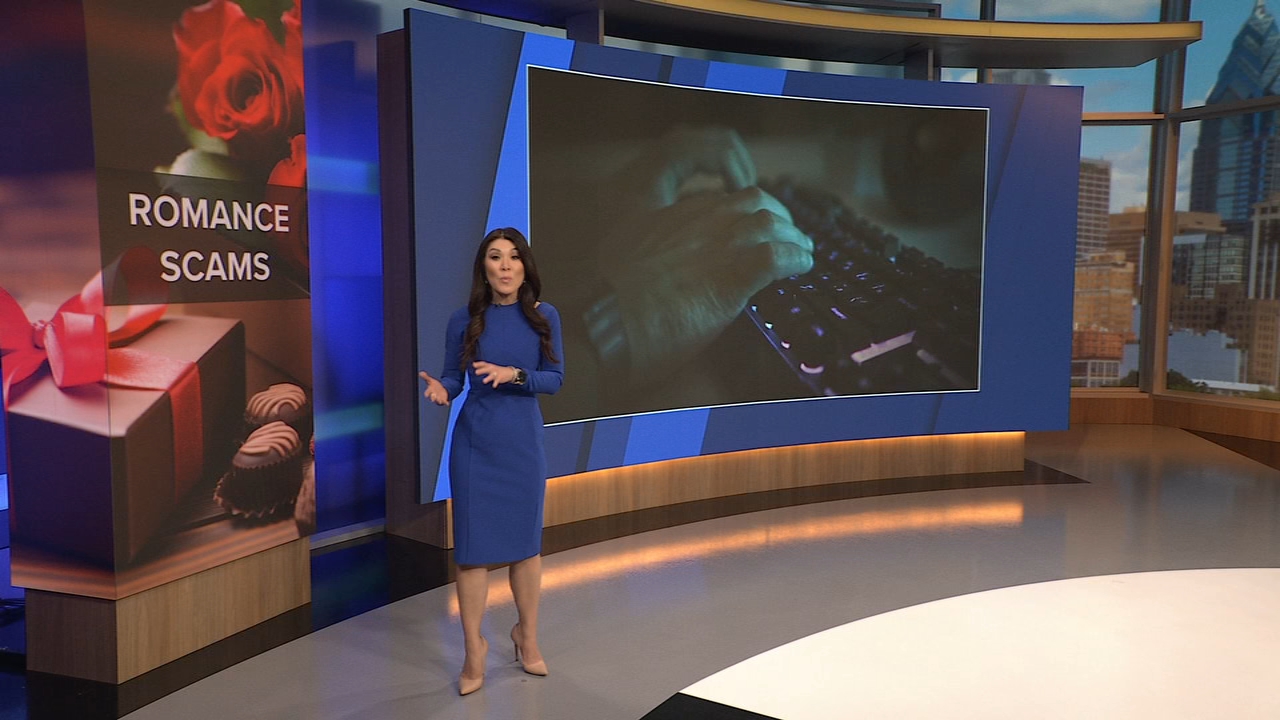
PHILADELPHIA (WPVI) -- As Valentine's Day approaches, cybersecurity experts are urging consumers to be cautious of romance scams and fraudulent online shopping offers that tend to spike during the holiday season.
Romance scams continue to grow, costing victims millions of dollars each year.
Criminals often build emotional connections before asking for money, exploiting people's desire for companionship.
"You meet, there are sparks flying, they're telling you they're the love of their life," one victim said. "He had started asking for money, and the stories started getting crazier and crazier."
Experts said there are warning signs long before any request for money. Scammers may insist on texting instead of video chatting or meeting in person, or they may try to move conversations off the platform where the relationship began.
"So, they may encourage you to go to Signal or Telegram or WhatsApp, a different messaging service where they can have conversations with you that aren't going to be flagged by the dating platform or by the social media platform," said Cliff Steinhauer of the National Cybersecurity Alliance.
Some scammers initiate contact by pretending to dial a wrong number or by sending a random text to spark a conversation.
Once someone begins hinting at financial trouble or directly asks for money, experts say it's time to pause, step away, and talk to someone you trust.
Common fabricated emergencies include medical issues, family or travel crises, or investment opportunities.
Others falsely claim to be in the military and in need of funds to return home.
Consumers are urged never to send money overseas to someone they have never met in person.
With many people also shopping for Valentine's Day gifts, Steinhauer said similar caution applies to online purchases.
"If it seems too good to be true, it probably is," he said. "So, super discounted flowers, or any kind of offer that's just really out there, too good to be true... random websites that you've never heard of, or low ratings, or nothing to be found, those are definitely ones you want to be suspicious of."
Consumers should also be wary of pop-up ads on social media, which can sometimes lead to scamming websites.
As Valentine's Day nears, experts emphasize slowing down, verifying information, and staying alert to protect both your heart and your wallet.