New radiant cooling pavilion in Trenton powered by solar energy


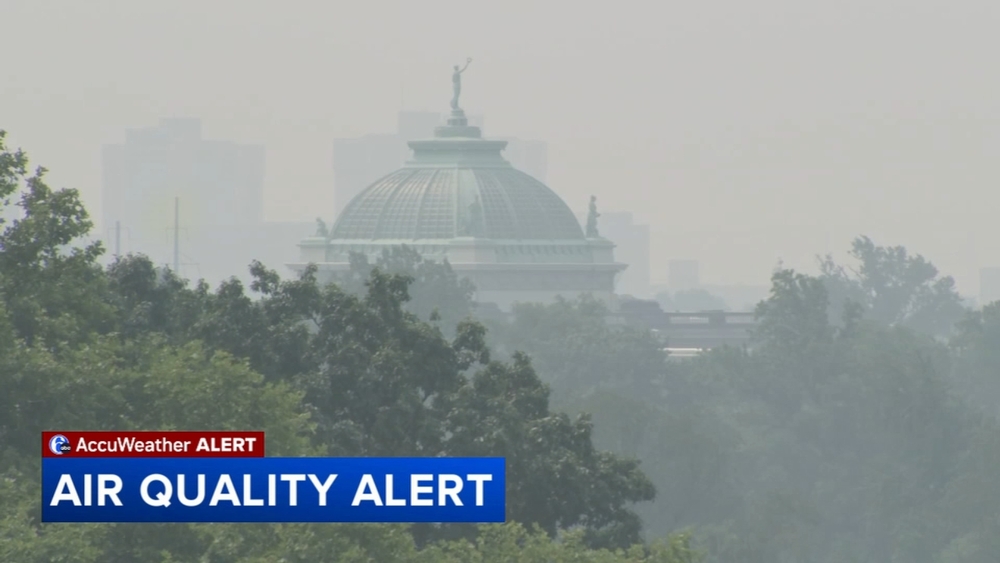
TRENTON, N.J. (WPVI) -- In addition to our high heat and humidity, the air quality across the region due to Canadian wildfire smoke can also be tough on the body.
Dr. Eric Sztejman, Pulmonologist and VP of Critical Care Services at Virtua Health, says they've been seeing an uptick in patients in their urgent cares and emergency departments with respiratory symptoms.
He advises people to stay inside as much as possible, and if you're in your car and you have the option to recirculate the air rather than pulling air from the outside, definitely do that.
Dr. Sztejman says this is not just at-risk groups that will be affected by the smoke.
"The air quality continued to get worse overnight. You can see that orange glow as we walk outside this morning really gets deep into your lungs. As it gets deep into your lungs, it causes your lungs to be irritated, your throat to be irritated, your eyes to be watery," he said. "You just feel uncomfortable outside. And it's not just those who have underlying issues. It's anybody that's outside."
As we continue to try to find ways to stay cool, the Isles Tucker Street Urban Demonstration Garden in Trenton gave Action News a look at some new technology that was originally developed at Princeton.
Their radiant cooling pavilion uses solar energy from solar panels installed in the garden by students with STEP UP Solar.


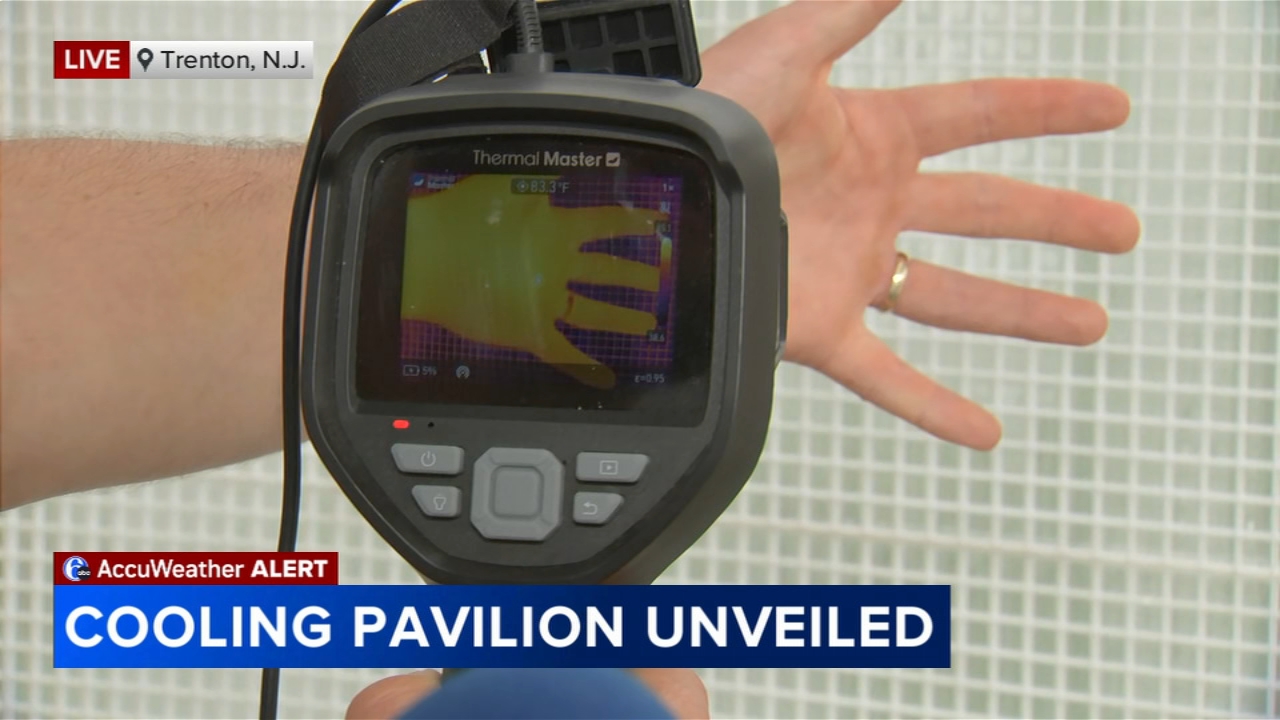
When you stand in the pavilion, it feels about 10 degrees cooler because the walls of the pavilion are cooled.
"We don't cool the air. We don't try to dehumidify the air. All we do is allow cold surfaces to absorb the heat that their bodies radiate," said Andy Lowenstein from AIL Research and Clearly Cool. "The big advantage with that is that we can protect people and actually keep them comfortable with much less energy because we're not trying to cool the air, which is almost impossible to do in outdoor environments. So we have an outdoor shelter pretty much open that can keep people safe even on extreme heat days."
The pavilion will be there through the end of July.
Dr. Sztejman says if you experience lightheadedness, chest tightness or heart palpitations, you should see a doctor or go to urgent care.