Bidirectional charging lets EVs power more than just the road


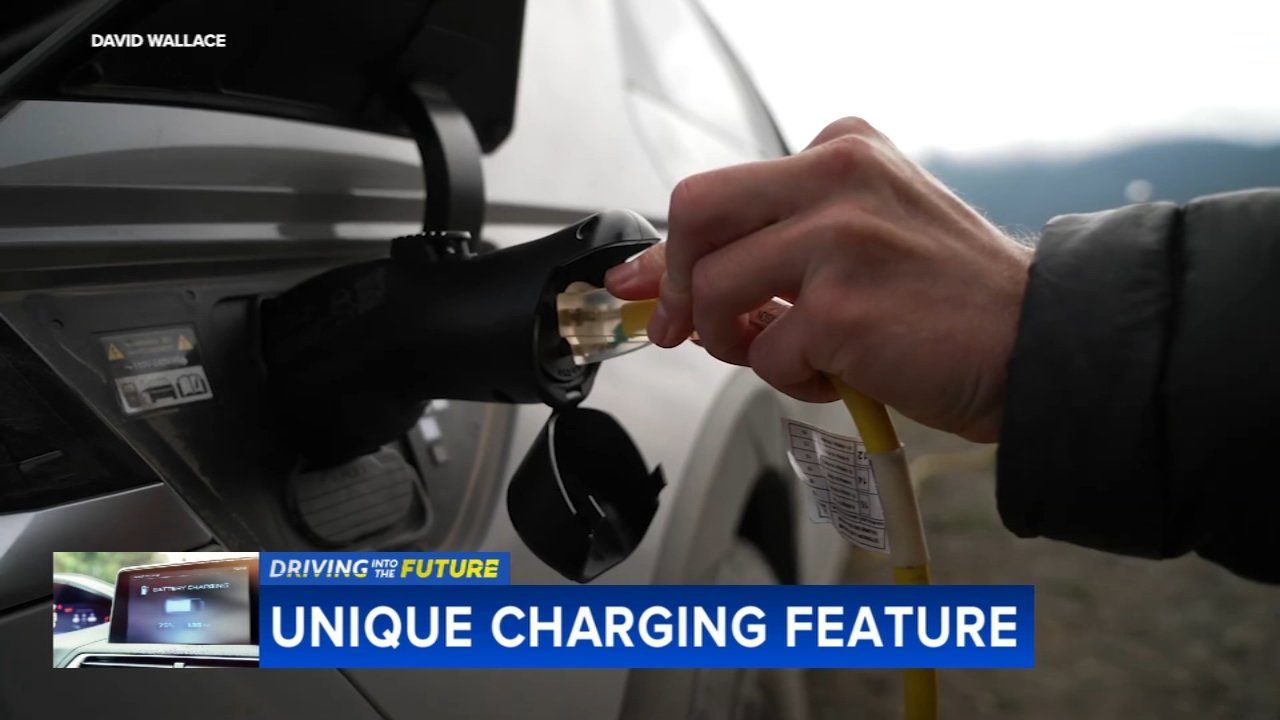
Some electric vehicles now offer technology that can do more than move you from point A to point B. It's called bidirectional charging, and it allows EVs to power everything from coffee makers to power tools - and even homes.
Not all EV models have this feature yet, but those that do can provide electricity when you need it most.
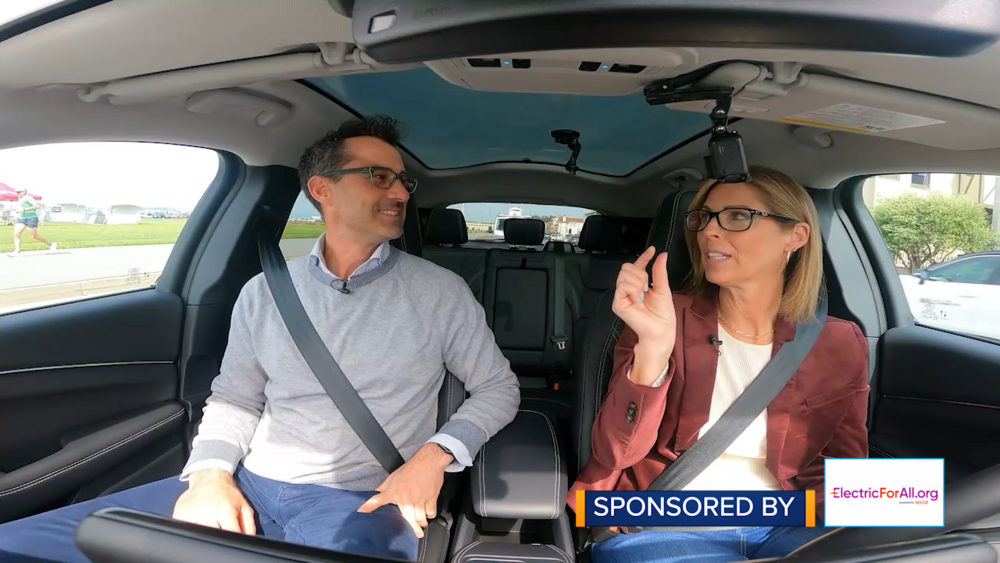
Ingrid Malmgren of PlugInAmerica.org demonstrated the capability by brewing coffee from her Ford F-150 Lightning.
"It's like a mobile kitchen," Malmgren said.
She explained that the truck acts as a giant inverter, enabling drivers to plug in vacuums, battery packs, and other equipment. One EV owner, identified as Jeff, uses his truck to power tools for his mobile auto glass business.
"And electric vehicles are batteries on wheels, so they offer a lot of opportunity to store power from the grid," Malmgren said.
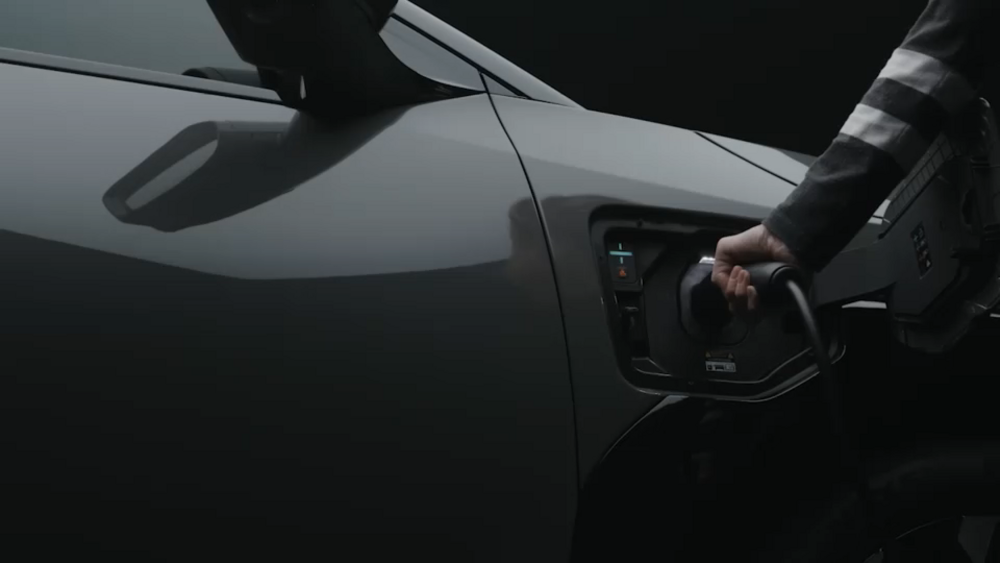
With traditional charging, EVs draw power from the grid to fill the battery. Bidirectional charging reverses that flow, sending energy from the car's battery to appliances, tools, or even a home.

Most vehicles require a special adapter for this function, which typically costs extra.
Concerned about draining the battery? Malmgren says the impact is minimal.
"It drains a few miles every hour. So, it's pretty slow. Depending on what you're powering in your house, it could last for days," she said.
Malmgren believes the technology will become mainstream, helping ease strain on the power grid. Drivers could charge when rates are low and feed energy back when rates are high, improving grid reliability and resiliency.
Currently, only a handful of EVs offer bidirectional charging, including the Ford F-150 Lightning and Nissan Leaf. General Motors plans to make it standard on all its EVs by 2026.