Skill game ruling leaves Pennsylvania businesses facing possible taxes, new regulations


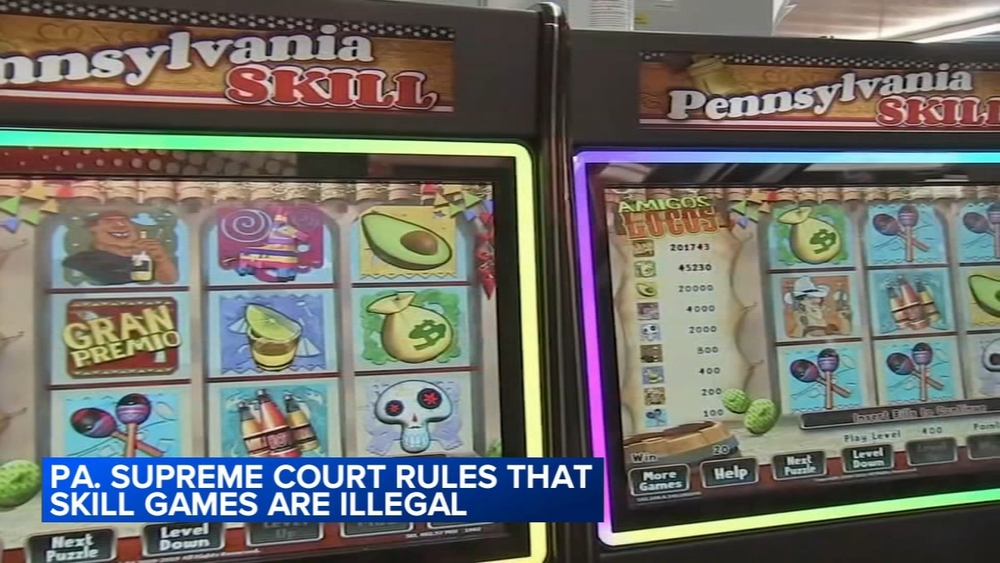
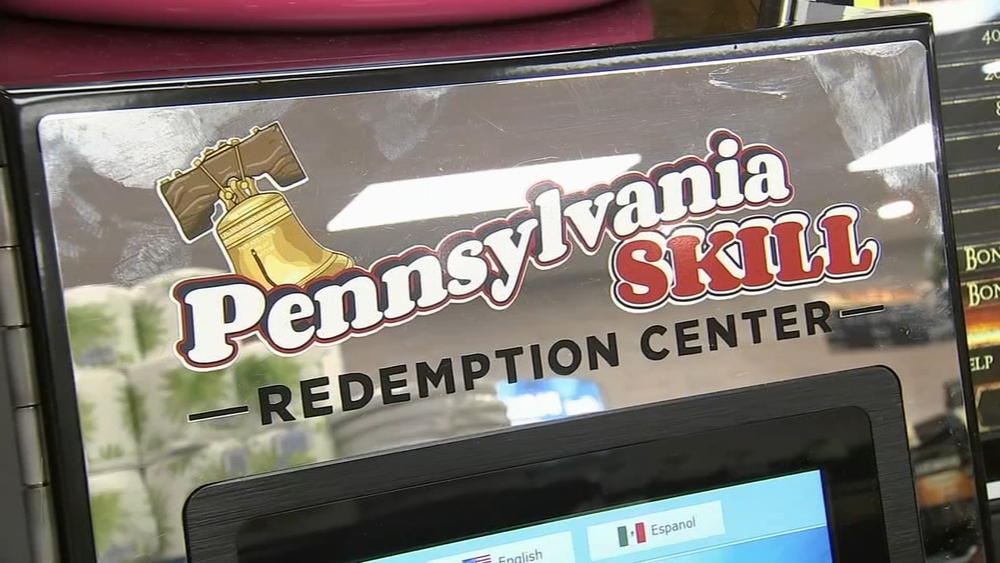
PHILADELPHIA (WPVI) -- A Pennsylvania Supreme Court ruling that classifies skill games as gambling devices is raising concerns among small businesses that rely on the machines for extra revenue.
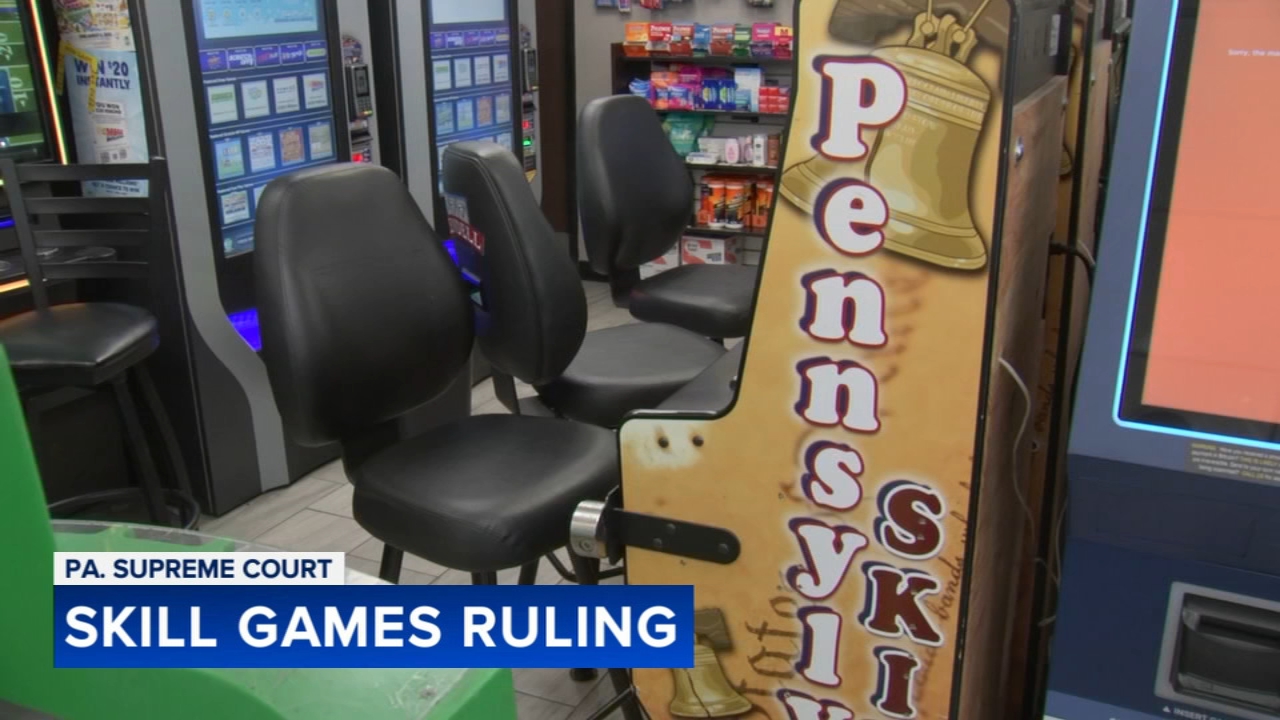
Gas station employee Kunal Mandhan said customers often stay for long stretches to play.
"They're going to stay all night. They're going to leave when we leave around 11," he said. "Many customers come in, and when they play the games, we expect them to buy more sodas and everything. Even lottery, even Pennsylvania lottery."
RELATED: Skill games are slot machines, must adhere to Pa.'s gambling law, state Supreme Court rules
On Monday, the state's highest court ruled skill machines should be regulated and taxed like slot machines. It will now be up to the state legislature to decide how much to tax skill games.
Pace-O-Matic, a skill game manufacturer, argues the decision could hurt small businesses.
"The reality is these places that host these games are not casinos," said Michael Barley of Pace-O-Matic. "They're not there designed to bring people in for that purpose. They're there for supplemental revenue. The games are different. They're much lower stakes."
Pennsylvania Attorney General Dave Sunday said the ruling reinforces the need for oversight.


"These machines operate as gambling devices and cannot legally exist without the same oversight, regulation, and accountability as other forms of legalized gaming in the Commonwealth," he said in a statement. "Pennsylvanians deserve protections that ensure games are fair, transparent, and operated within the bounds of the law."
Skill games could be allowed only in locations already licensed for slot machines.
Mandhan said the business will comply but expects financial fallout.
"When the ruling is going to come out, we are going to have to follow it eventually, but that will result in a loss," he said.
The ruling includes a 120-day safe-harbor period before convenience stores and similar businesses may be required to make changes.